PU vs PVC Backing: What Actually Makes a Bag Water-Resistant
What makes a bag water-resistant is not the fabric you see but the coating you don't: a backing layer applied to the inside of the cloth. PU (polyurethane) backing is a thin, flexible film that keeps a bag light and foldable; PVC backing is a thicker vinyl layer that blocks water harder but makes the fabric stiffer. Neither turns a sewn bag into a waterproof one — and knowing the difference between the two is how you specify the right one.
What a backing actually does
Woven fabric on its own is full of microscopic gaps between the yarns. Rain beads on the surface briefly, then wicks through, and spray from a wet road soaks straight in. A backing seals those gaps from behind. It also adds body to the cloth — backed fabric holds a bag's shape better and resists the yarns shifting at the seams. When buyers compare two bags in the same Oxford grade and one sheds rain noticeably better, the backing is almost always the reason, which is why our Oxford fabric guide treats the backing as a specification in its own right, separate from denier.
PU backing: the flexible all-rounder
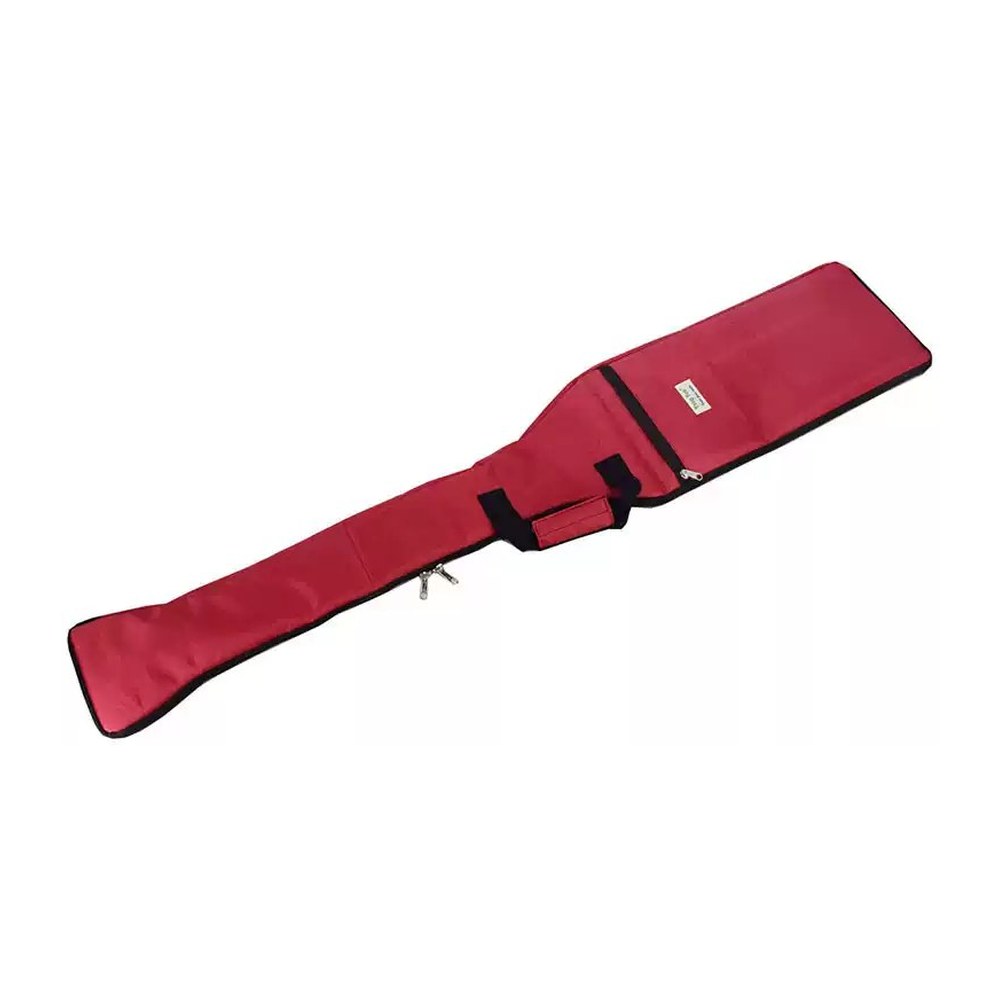
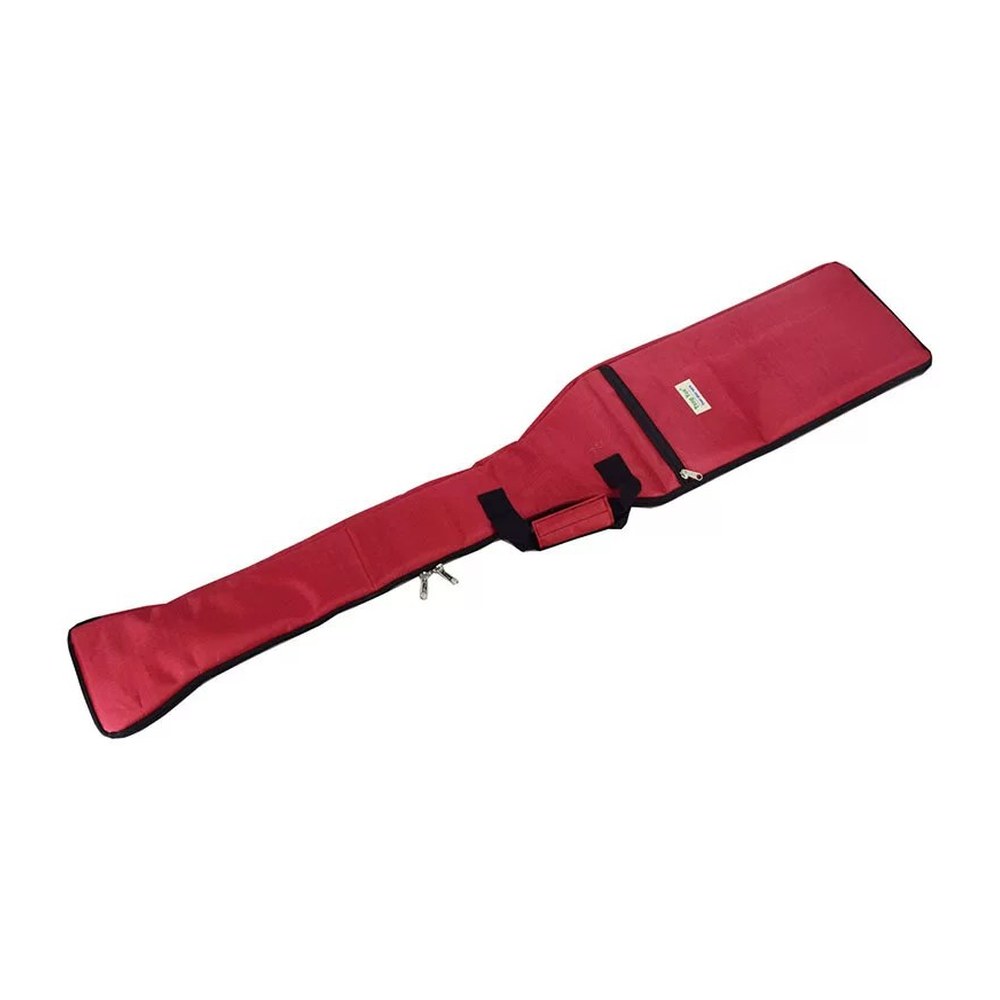
PU backing is a thin layer of polyurethane applied to the inside of the fabric. Because it is thin, the cloth keeps most of its natural drape: the bag folds flat for shipping, flexes without creasing, and stays comfortable to handle. PU sheds rain and spray well, adds little weight, and stays flexible in cold weather, which is why it is the default backing on bags that travel in all seasons. Its limits are honest ones: it is a light barrier rather than a heavy one, so standing water pooled against it for hours will eventually work through, and over many years of heat and humidity PU can slowly break down and turn flaky on very old bags. For equipment bags that are carried, loaded and unloaded daily, PU is the backing we recommend most often — including on our dragon boat paddle bag, which has to survive wet boathouses and car trunks without going stiff.
PVC backing: the stiff, heavy-duty option
PVC backing is a layer of vinyl, noticeably thicker than PU. It forms a stronger barrier against water — closer to a continuous plastic sheet — and gives the fabric a firm, structured feel that helps a bag stand up on its own. That stiffness is the trade: PVC-backed fabric folds less willingly, adds weight, and in cold conditions it grows stiffer still; flex the same fold line repeatedly in freezing weather and PVC can eventually crack there. PVC suits bags that are more like soft containers than carry bags — stiff-sided storage, base panels that sit on wet ground, and shapes that need to hold themselves open. Many well-built bags use both: PVC where stiffness and standing water are the problem, PU everywhere the bag needs to bend.
What neither coating can do
Every sewn bag has three uncoated openings: the stitch holes along every seam, the zipper, and any vent or pocket gap. Water finds all three long before it defeats a backing. That is why “waterproof bag” claims for sewn products should be read with suspicion, and why we describe our bags as splash-proof and rain-resistant: they keep equipment dry through rain, spray and wet surfaces, which is the job buyers actually need done. If your equipment must survive immersion, it needs a welded or roll-top dry-bag construction, not a coated sewn bag — a different product that we will happily tell you is not this one. Specifying the backing correctly, and matching the claim to the construction, protects your brand better than any marketing adjective.
| Point | PU backing | PVC backing |
|---|---|---|
| Layer | Thin polyurethane film | Thicker vinyl layer |
| Feel and drape | Soft, folds flat, flexible | Stiff, holds shape, stands up |
| Water resistance | Good against rain and spray | Stronger barrier, better against standing water |
| Cold behavior | Stays flexible | Stiffens; can crack at folds in freezing flex |
| Weight | Light | Noticeably heavier |
| Best for | Carry bags used in all seasons | Stiff storage bags, base panels, wet-ground use |
The short checklist
- Water resistance is a backing specification — ask which one, not just which fabric.
- Bag flexes, folds or travels in winter: PU.
- Bag must stand open or sit on wet ground: PVC, at least on the base.
- Judge “waterproof” claims by the seams and zipper, not the coating.
- Match the product description to the construction: splash-proof and rain-resistant is the honest claim for a sewn bag.
Questions buyers ask
Is a PU- or PVC-backed bag waterproof?
No — both make the fabric water-resistant, not the finished bag waterproof. Seams, stitch holes and zippers still pass water, so the honest description for any sewn bag is splash-proof and rain-resistant, which is how we describe ours.
Which backing is better in cold weather?
PU stays flexible at low temperatures, while PVC grows stiffer as it gets colder and can crack at fold lines after repeated flexing in freezing conditions. Bags that winter outdoors or in unheated vehicles are safer with PU.
Can I feel the difference between PU and PVC backing?
Yes — turn the fabric over: PVC backing feels thicker, smoother and more rigid, almost like a thin vinyl sheet, while PU feels thinner and softer and the fabric drapes more like uncoated cloth.
Which backing should I specify for an outdoor equipment bag?
Specify PU for bags that flex, fold and travel in all seasons, and PVC where the bag is stiff, mostly stationary and needs the strongest standing-water barrier on the base. Tell us the use case and we will match the backing before sampling.