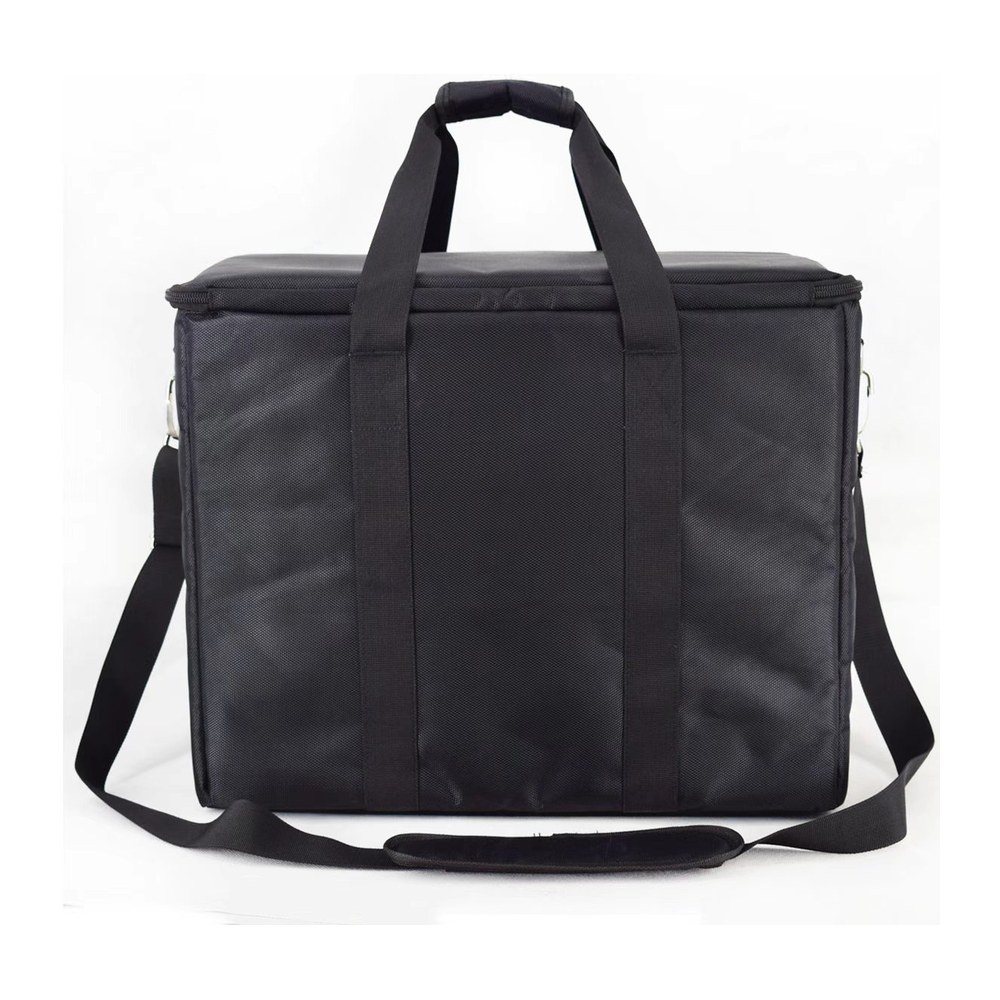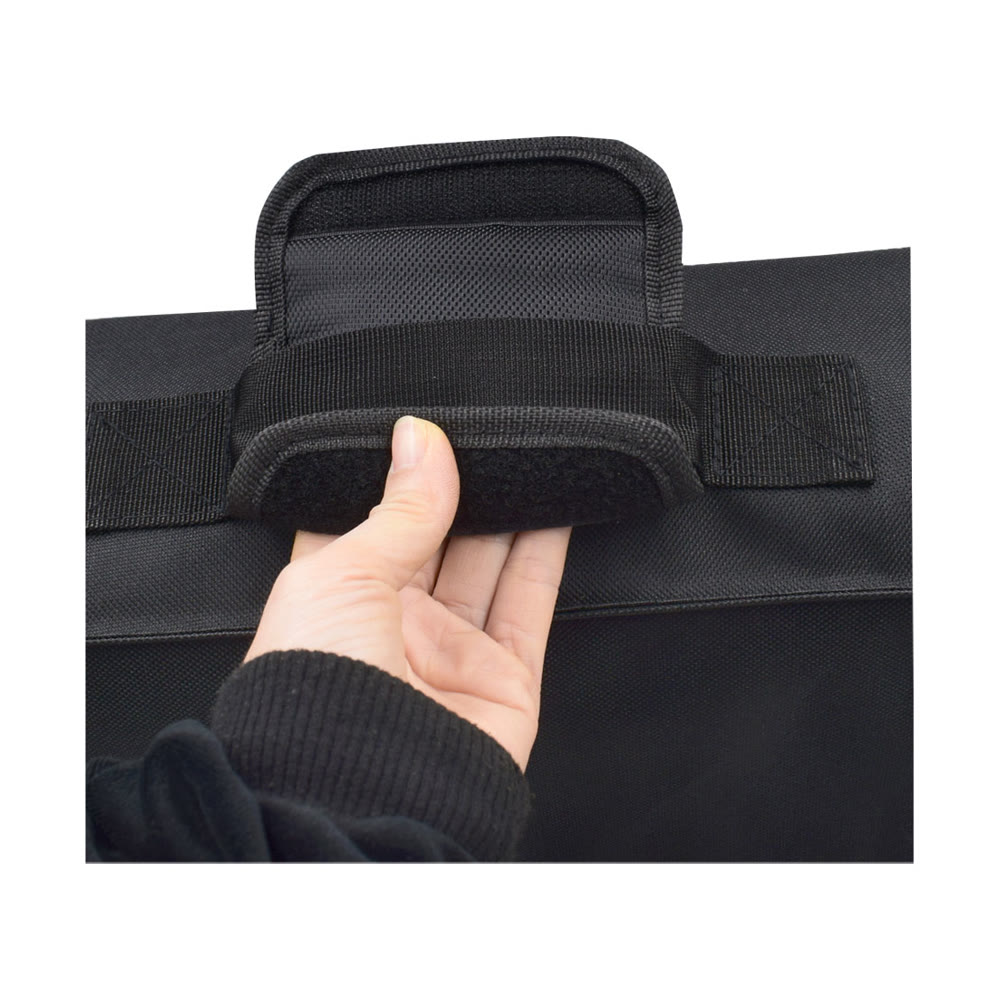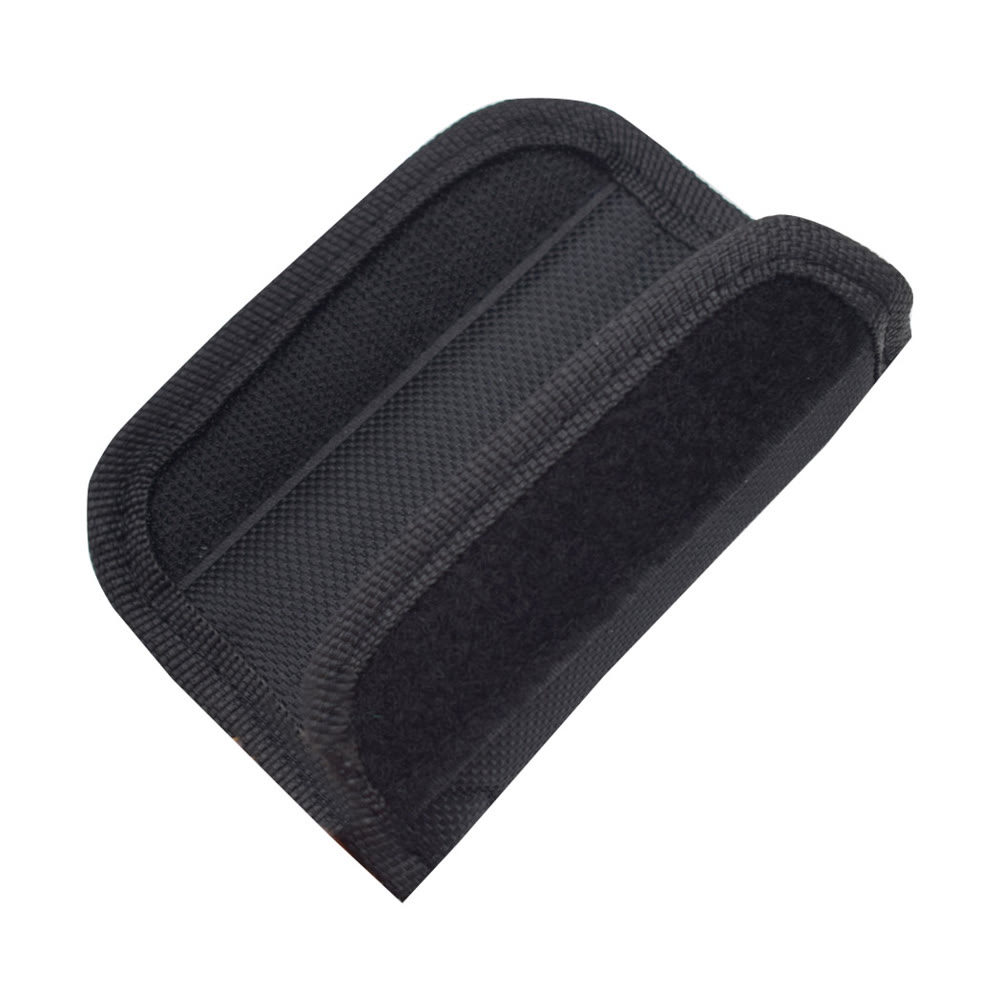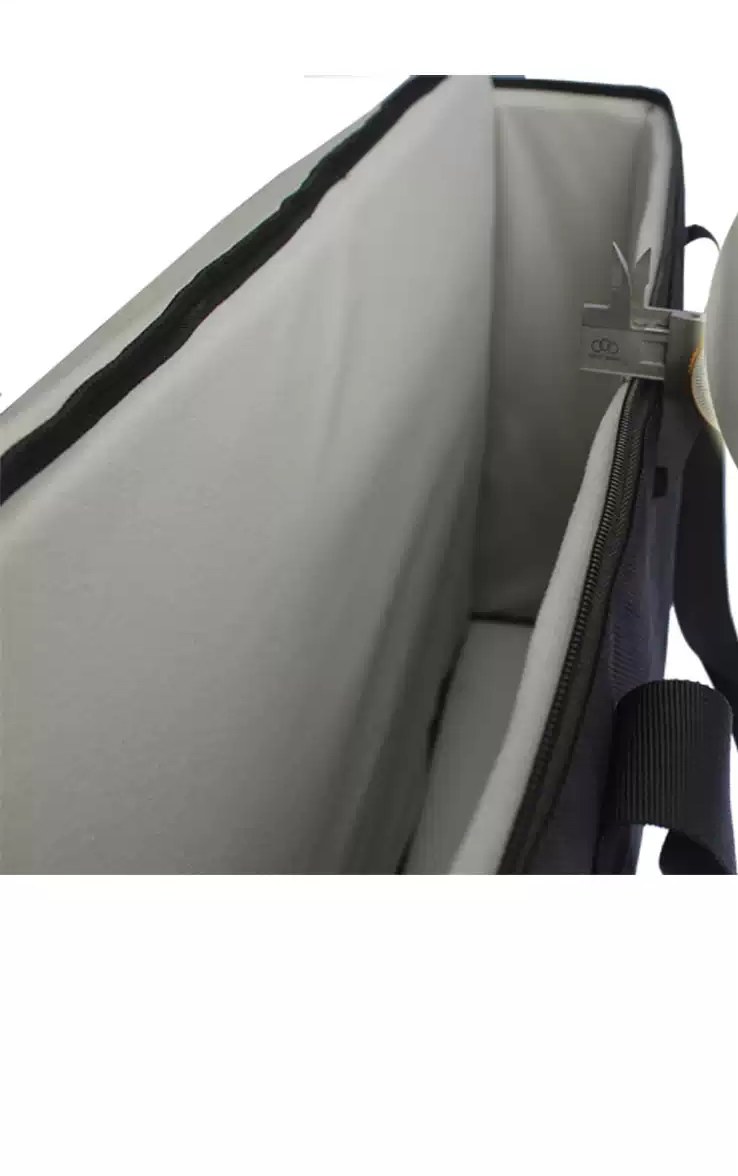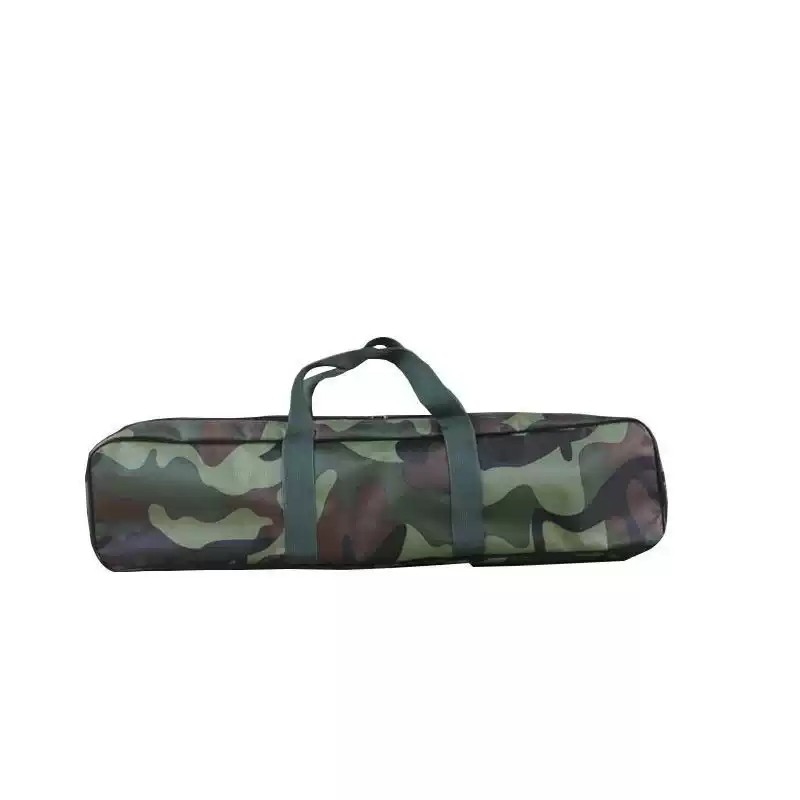
Keyboard Bag Buying Guide: Sizes, Padding and Carry Options
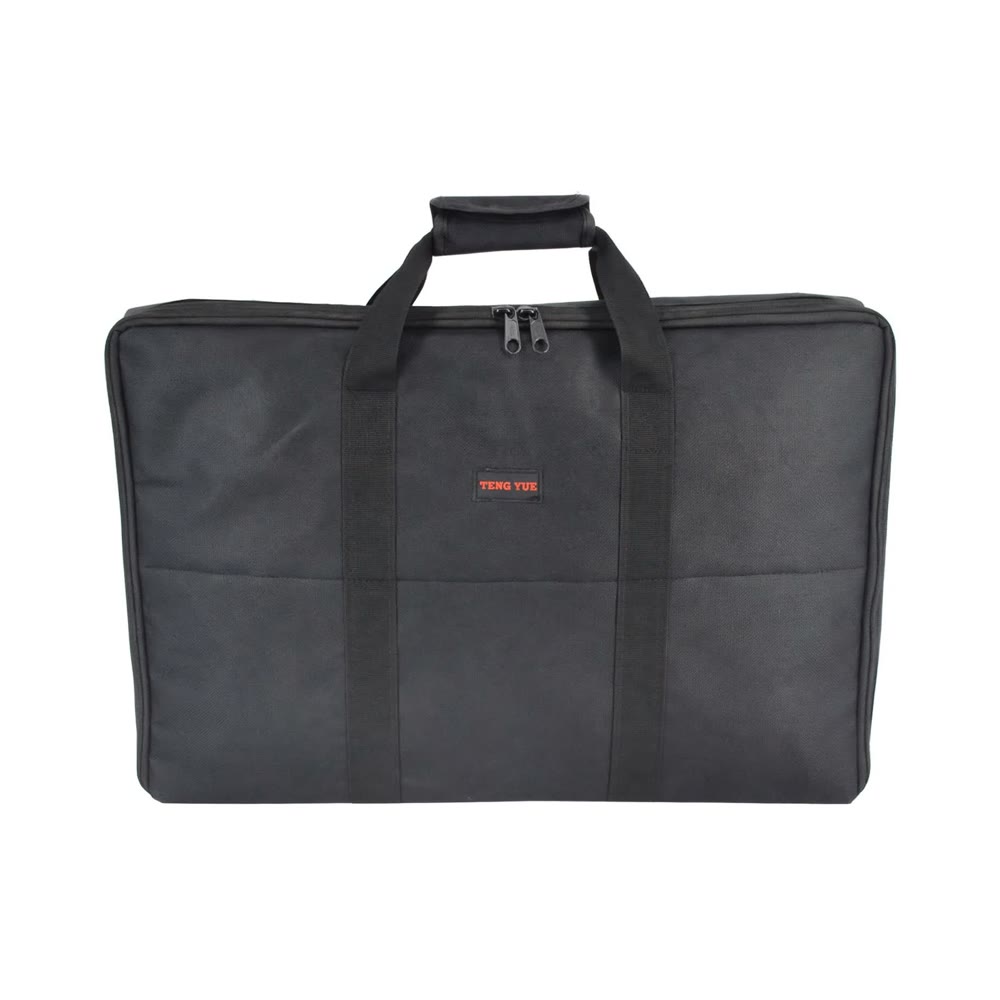
Key count is only the first filter. How to match a keyboard or digital piano bag to the real dimensions, pad the control panel, and choose between handles, backpack straps and wheels.
Buying guides, material explainers and logo-printing know-how for equipment bag buyers — the same advice we give on inquiries, written down.

Key count is only the first filter. How to match a keyboard or digital piano bag to the real dimensions, pad the control panel, and choose between handles, backpack straps and wheels.

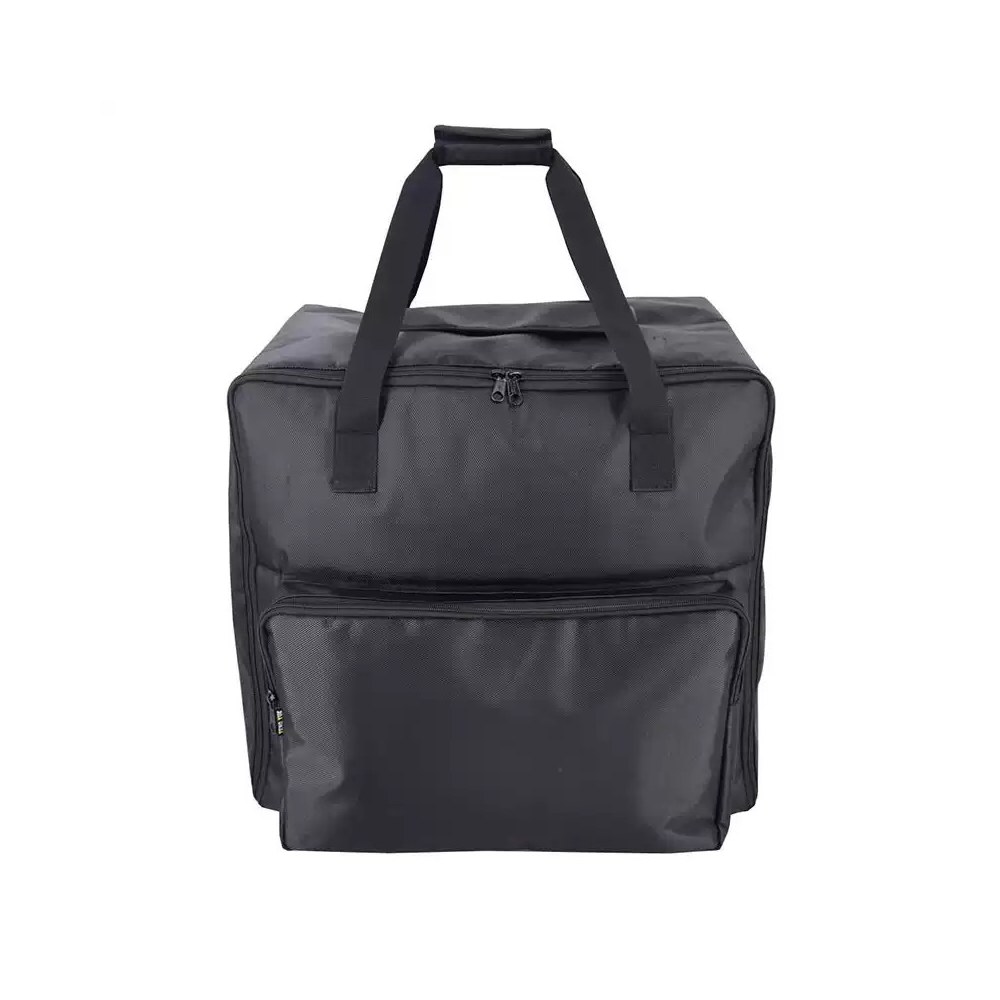
Controllers are sold by model, and their bags should be too. Fit, top-face padding, and a place for the laptop, cables and headphones — the gig-ready spec, explained.

Bent faders and cracked corners are packing failures, not bad luck. The routine — clean, neutral controls, padded face, separate pockets, flat loading — that gets a mixer there safely.

The lens faces forward and the remote always goes missing. How to spec a projector bag around lens protection, accessory organisation and a fit matched to your machine.

Glass panels, hanging graphics cards and tall coolers make gaming PCs risky to move. How to prepare the tower, carry it flat, protect the monitor, and spec bags for the job.

A rigid tube wins against crushing; a soft padded bag wins on carry comfort, storage and everyday knocks. Here is how to choose between them for your rods.

A technician’s tool bag is a workstation that moves. This guide covers layout logic, pocket design and the durability details that decide how long it lasts.

A slip cover and a padded bag look similar on a shelf and do completely different jobs. Here is how to tell which protection your speakers actually need.

Two bags that look alike can quote very differently. This guide explains the seven factors a factory actually prices — and how buyers use them to control a quote.

Starting a bag brand does not start with a warehouse — it starts with one product, your branding and a factory that accepts small batches. Here is the route, step by step.

Size, padding, fabric and carry: the four decisions that decide whether a speaker bag actually protects the cabinet — and how to spec each one.

A padded gig bag covers hand and car transport; a hard case earns its weight only for freight and stacking. How to decide — and the middle path.

Length first, then capacity, padding and carry: how to spec a rod bag around your longest section — single and double versions up to 230 cm.

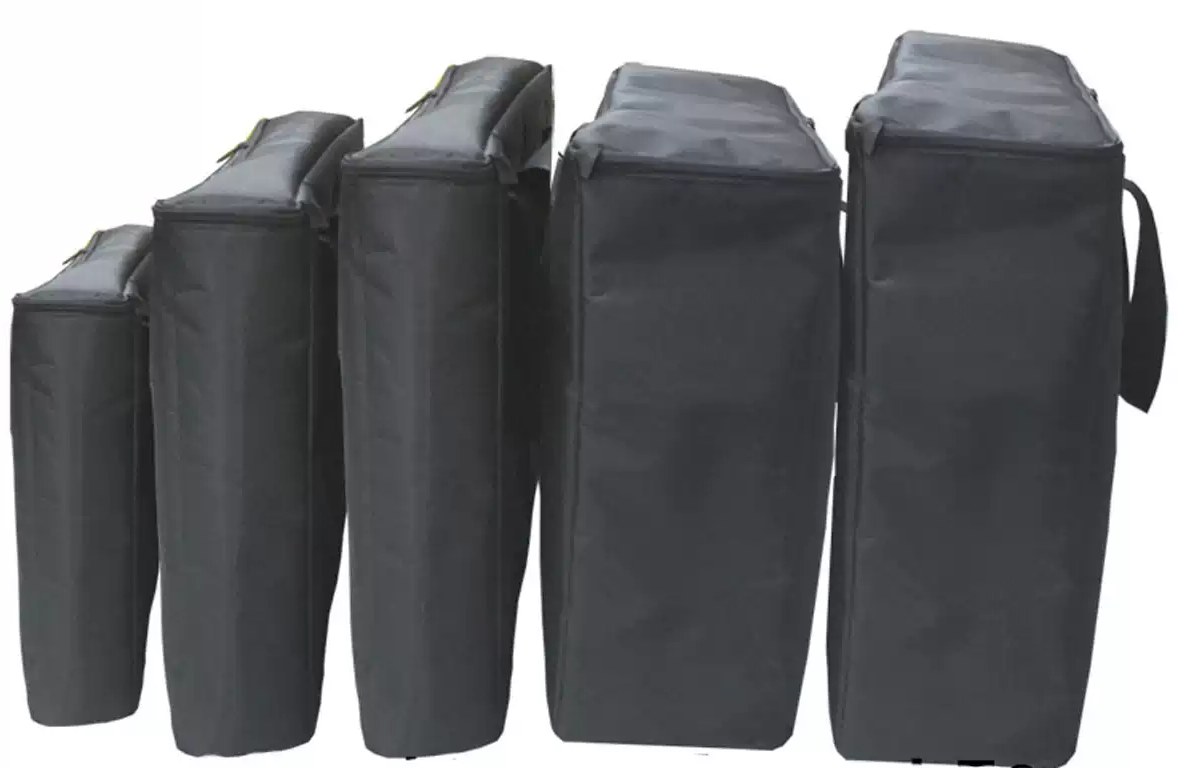
Six standard sizes, one measuring rule: match the bag to the folded panel plus 1–2 cm of working room. Includes the full size table.

Plate-shaped, flat against the back, load shared by hips and shoulders: how weighted backpacks work and how to size one for your plates.

Measure the equipment itself — at its widest points, protrusions included — and a made-to-measure bag fits first time. Here is the exact method.

Padding thickness is a match, not a maximum: 3 mm guards against scuffs, 5 mm against everyday knocks, 10 mm and up against real drops. How to choose.

Hand-clean, dry completely, store uncompressed: the three habits that double the working life of a padded equipment bag. The full routine, step by step.

Most amplifier damage happens between the stage and the car. Cooling down, a fitted padded bag and flat, wedged loading prevent nearly all of it.

An all-in-one PC is a screen with a computer attached — carry it like one. Sizing, screen-side protection and handling for 24-inch and 27-inch units.

Oxford, ballistic nylon or plain polyester? How the three common bag fabrics compare on abrasion, printing, weight and cost.

A bag’s water resistance comes from its backing, not its weave. PU and PVC compared on water barrier, flexibility, aging and cold.

EPE pearl cotton, EVA and sponge do three different jobs inside a bag. Which padding protects, which shapes, and which only softens.

Bags rarely die from fabric wear — they fail at handles, zippers and buckles. How to specify hardware that matches the load.

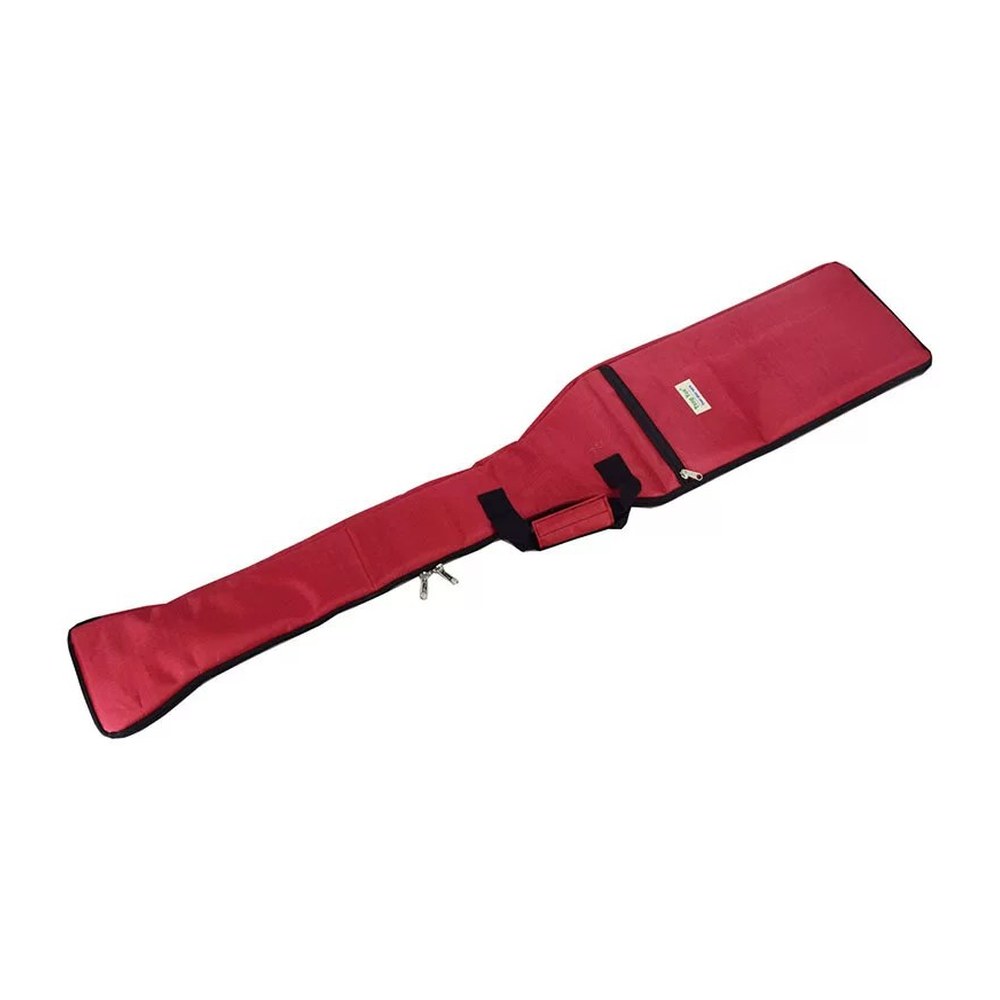
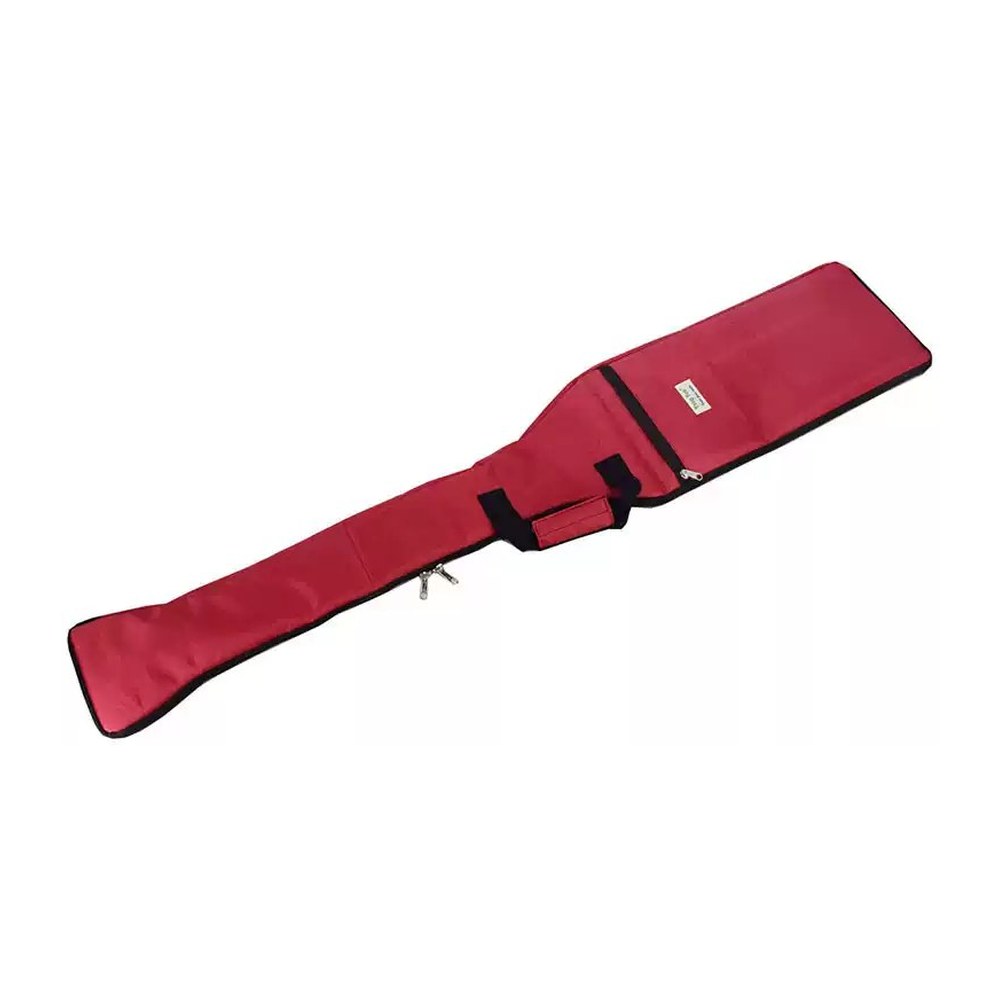
Choosing a dragon boat paddle bag: length matched to your paddle, a padded blade divider, carry options and room for the team logo.

The five steps of a custom bag order — reference, spec, sample, production, delivery — and what to send and check at each one.

Four logo methods compared: silk screen, heat transfer, embroidery and woven labels — matched to your artwork, fabric and budget.

Eight fields turn a bag idea into a quote-ready spec sheet. Here is what to write in each — and the measurement mistake to avoid.

Who sews it, how QC works, what happens with defects: ten questions that separate a real bag factory from a reseller.

Why custom bag MOQ is 300–500 pcs, why samples take 5–7 days, and how to plan an order backwards from your launch date.

Padding thickness, fabric denier and measuring your equipment — the three decisions that decide whether a bag actually protects.

What denier really measures, where each grade earns its cost, and the backing coatings that make Oxford fabric splash-proof.
Send your equipment dimensions, quantity and logo file. Email: [email protected]
Request a Quotation