Private Label Bags: How to Start Your Own Bag Brand with a Factory
Starting your own bag brand starts with one well-chosen product, your branding applied properly at the factory, and a small first run you can sell through and learn from. It does not start with a warehouse, a catalogue of dozens of styles, or a huge first order — the brands that last usually begin narrow, with a bag their customers genuinely need, made well enough to carry the logo it wears. This guide walks the route our buyers take with our factory, from choosing the first product to growing a range, and it follows the same ordering steps set out in our guide to ordering custom bags from a factory.
1. Choose the first product by its customer, not its looks
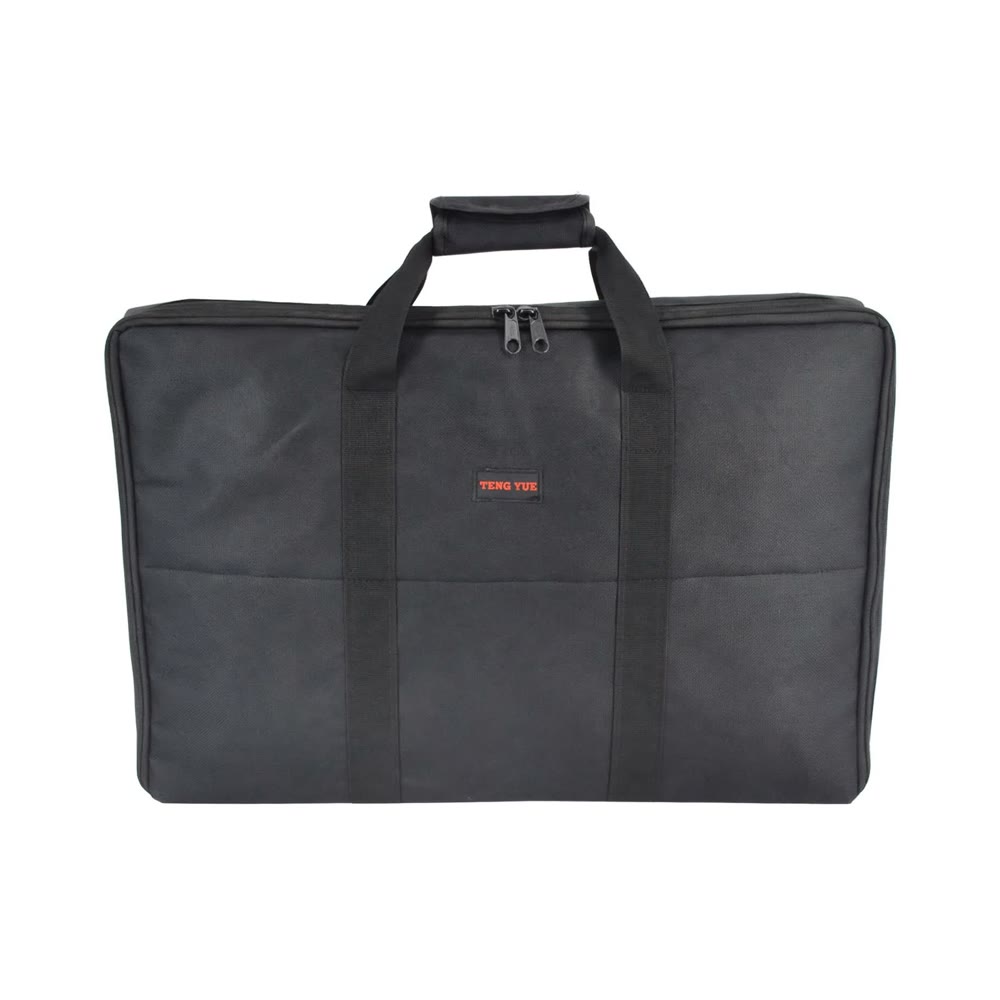
The strongest first product solves a carrying problem for a customer you can already reach: musicians whose amplifier has no fitted bag, anglers whose rods travel unprotected, technicians whose tools live in a crate. A niche product with a clear user beats a general bag competing with every general bag in the world. Look for equipment that is sold without a good bag, or with a poor one — that gap is your product. One style, in the sizes its equipment comes in, is a complete launch range; our own catalogue began exactly that way, with fitted bags for specific equipment rather than generic styles.
2. Make the branding a product decision
Private label means the bag leaves the factory as your product: your logo on the outside, your woven label in the seam, your colours in the fabric and webbing, and your packing in the carton. Decide the branding as part of the product, not as an afterthought — a logo placed where it is seen every time the bag is carried is worth more than a larger logo hidden on the back. Our comparison of logo printing methods for bags covers which method suits which artwork: embroidery reads premium on a front panel, silk screen is bold and efficient, and a woven label gives even a small brand the detail customers associate with established names. Send your logo as a vector file, and approve the branding on the physical sample, never on a screen mock-up alone.
| Branding element | What it does | Decide it when |
|---|---|---|
| Main logo | The brand customers see every time the bag is carried | At sampling — check it on the physical sample |
| Woven label | The detail that makes the bag read as a designed product | At sampling — artwork is small, so keep it simple |
| Brand colours | Recognition across a growing range | Before the first run, so later styles match |
| Packing and tags | The retail and unboxing impression | Before production, not after it |
3. Sample, launch small, and let sales choose the range
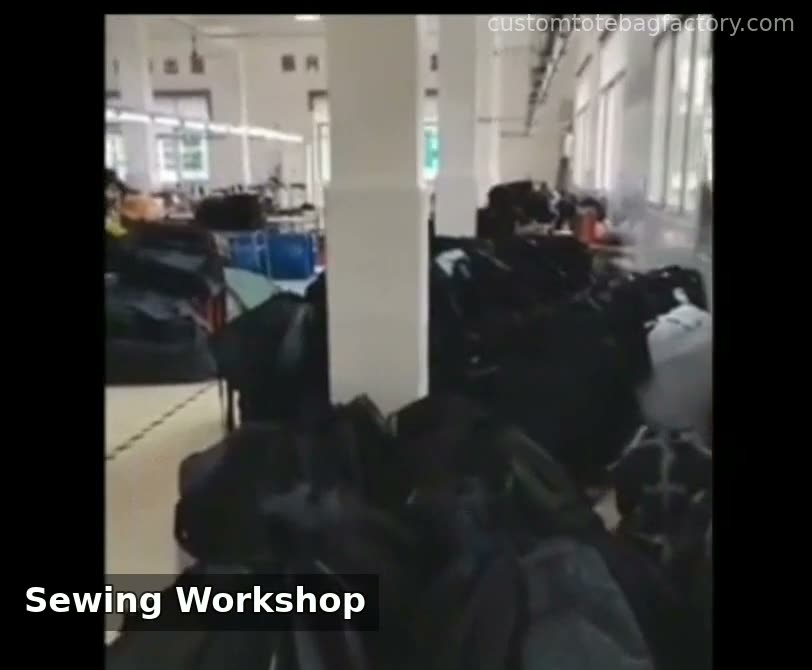
Approve a sample loaded with the real equipment it is made for: check the fit, the carry, the zip run and the logo placement in your hands. Then launch with a small first run. Our factory runs a dedicated small-batch workshop alongside the main production site, so a new brand can start with a quantity it can realistically sell, gather real customer feedback, and adjust the second run — a pocket moved, a strap lengthened, a size added. That feedback loop is the real advantage of starting small: the second version of your first product is usually the one that builds the brand's reputation, and you reach it without a warehouse of first versions to clear.
4. Grow the range around the same customer
Once the first product sells, grow sideways around the same customer rather than outward into strangers' markets. The angler who bought your rod bag needs the reel pouch and the tackle bag; the musician with your amp bag needs the cable bag and the accessory case. Each new style reuses what you have already built — the same fabric, colours, labels and packing — so the range looks like a brand from the second product onward. Keep every style's pattern and specification on file with us, and reorders become a message rather than a project. When you are ready to brief the first product, the contact page is where it starts: tell us the equipment, the customer and the branding you have in mind.
The short checklist
- Pick one product that solves a carrying problem for a reachable customer
- Find equipment sold without a good bag — that gap is your opportunity
- Decide logo, woven label, colours and packing as one branding package
- Approve branding and fit on a physical sample, loaded with real equipment
- Launch small, gather feedback, and grow the range around the same customer
Questions buyers ask
What do I need to start a private label bag brand?
You need one product idea aimed at a customer you can reach, a logo in vector format, and a factory willing to sample and produce small batches. The factory builds the pattern, applies your branding and packs the bags as your product.
Can I start with a small first order?
Yes. Our factory runs a dedicated small-batch workshop, so new brands can launch with a quantity they can realistically sell, then reorder and adjust the design from real customer feedback.
Which branding can the factory apply to my bags?
Your logo by silk screen, heat transfer or embroidery, plus woven labels, brand colours in fabric and webbing, and your own packing and tags. Branding is approved on the physical sample before production.
Should my first product be a standard style or fully custom?
Either route works, but a bag fitted to a specific piece of equipment is the stronger start for most new brands, because it solves a problem generic bags do not. A standard style with your branding is the faster route to market.
Tell us the product you have in mind and the customer it serves through the contact page, and we will walk you from first sample to first run under your own brand.