Silk Screen vs Heat Transfer vs Embroidery: Logo Methods for Bags Compared
There is no single best logo method — there is a best method for your artwork, your fabric and your budget. Silk screen wins for bold, flat logos in one or two colors; heat transfer wins for photographs, gradients and full-color artwork; embroidery wins for a premium feel that outlasts the bag itself; and a woven label wins for small, fine detail that the other three cannot hold. Here is how each method works, and where each one fails.
| Method | Best for | Colors | Fine detail | Durability |
|---|---|---|---|---|
| Silk screen printing | Bold logos and lettering on flat panels | One color per screen; multi-color via extra screens | Good, but no hairlines or gradients | Very good — ink bonds with the fabric coating |
| Heat transfer | Photos, gradients, full-color artwork | Unlimited, full color | Excellent — prints like a photograph | Good with normal care |
| Embroidery | Premium branding and retail lines | Thread palette; several colors per design | Limited — tiny text fills in | Excellent — stitched in, survives abrasion |
| Woven label | Small logos, brand tags, fine print | Several woven thread colors | Excellent at small sizes | Excellent — sewn on, not printed on |
Silk screen: the workhorse
Silk screen pushes ink through a mesh stencil onto the fabric panel, one color per screen. On coated Oxford fabric the ink sits on the surface and bonds with the coating, giving a crisp, opaque logo that survives years of handling. It is the most economical method per bag once the screens are made, and the natural choice for distributor and team logos: big, bold and readable across a room. Its limits are gradients — it cannot fade one color into another — and very fine lines, which tend to fill in. If your logo is a clean vector shape in one to three colors, this is almost always the right answer.
Heat transfer: the full-color option
Heat transfer prints your artwork onto a film first — with ordinary full-color printing, so photographs, shadows and gradients all reproduce — then presses the film onto the panel with heat. It is the only method here that can put a product photo or a rainbow gradient on a bag, and it holds small text well. The trade-offs: the print is a surface film, so on bags that are folded hard and often it ages faster than embroidery, and it needs a reasonably flat, smooth panel to apply evenly. For promotional runs, event bags and any artwork with more than four colors, it is usually the practical choice.
Embroidery: the premium finish
Embroidery stitches the logo directly into the fabric with thread. It looks and feels like retail branding, it cannot peel or crack, and abrasion that would scuff a print simply slides over it — which is why it is the standard on bags sold at retail under the buyer's own brand. The limits are detail and size: very small lettering fills in, photographic shading is impossible, and very large logos get slow and heavy with thread. Embroidery also has to happen on the flat panel before sewing, so placement is decided at the pattern stage. You can see how the methods are applied across our range on the customization page.
Woven labels: small, sharp, and separate
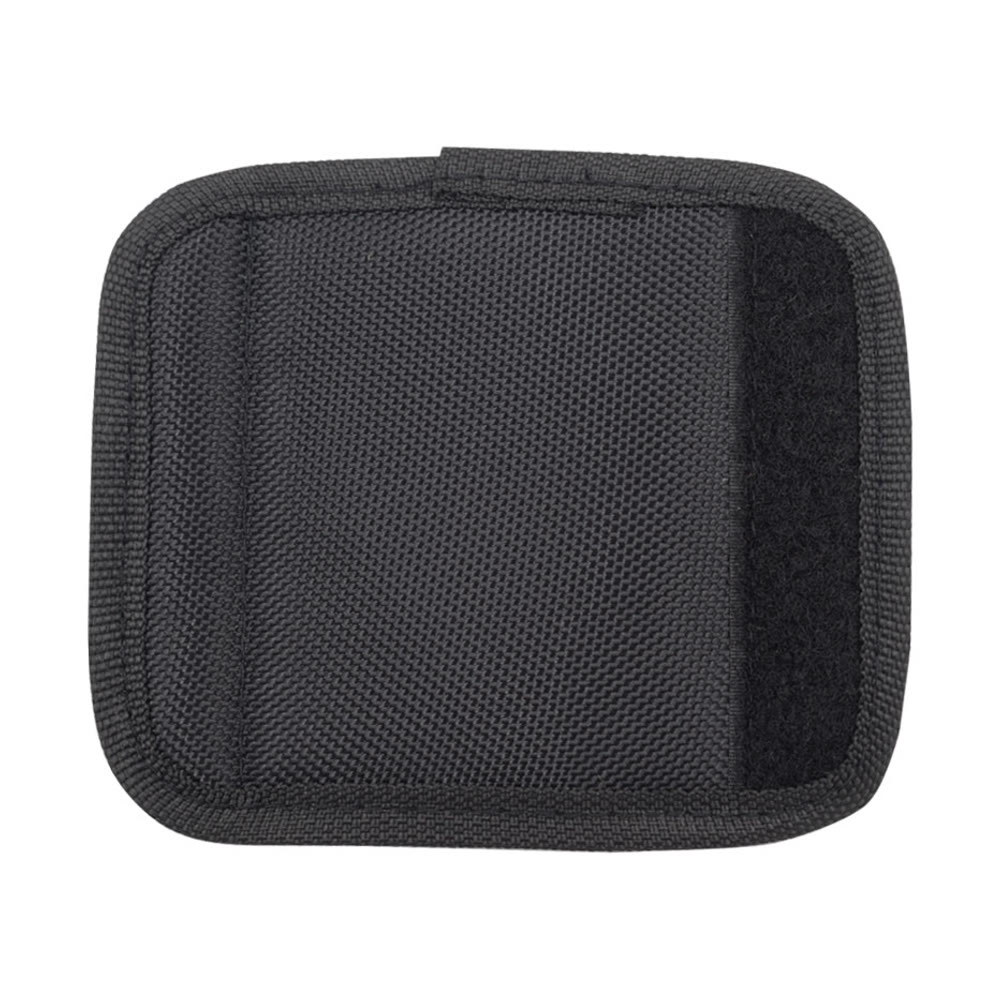
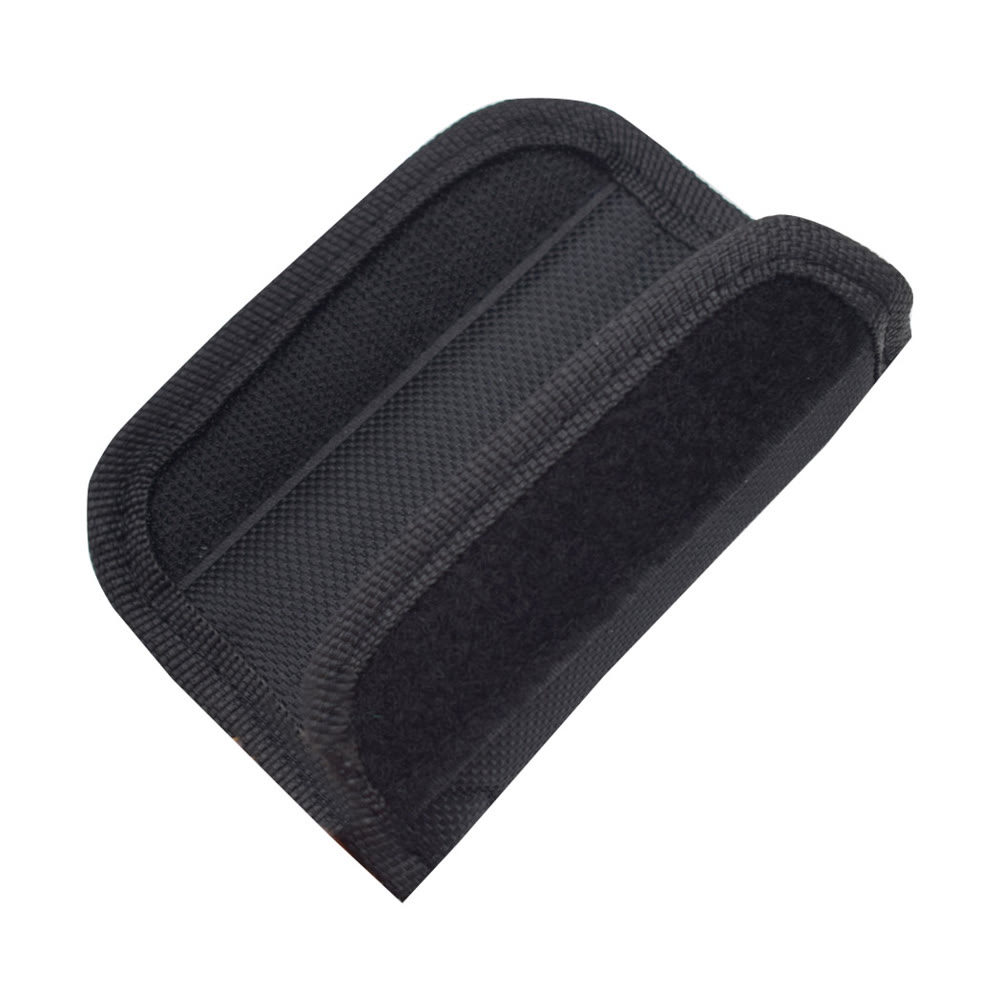
A woven label is a tiny woven textile — your logo woven in thread, then sewn onto the bag like a clothing label. Because the detail is woven rather than printed, it stays sharp at sizes where print blurs, and it carries a brand feel buyers associate with retail goods. Labels also decouple branding from production: bags can be sewn unbranded and labeled later, which suits buyers testing more than one brand name. Our padded carry handle sleeve is a typical label product — a small accessory where a full print panel would overwhelm the item, but a woven label sits exactly right.
Matching the method to the bag
Work backwards from the artwork and the surface. Full color or gradients force heat transfer. A premium retail line points to embroidery, possibly with a woven label at the seam for the small print. A bold distributor logo on a big flat panel is silk screen's home ground. And nothing stops you combining methods — an embroidered front logo with a printed information panel inside, for example — as long as each placement is fixed in the specification before sampling, because two of the four methods happen before the bag is sewn.
The short checklist
- Artwork checked: how many colors, and any gradients or photos?
- Smallest text in the logo measured — tiny lettering rules embroidery out.
- Logo placement fixed on the pattern before sampling, not after.
- Method matched to how the bag is used: folding and abrasion punish surface films.
- Vector artwork (AI or PDF) supplied for screens and embroidery digitizing.
Questions buyers ask
Which logo method lasts the longest?
Embroidery lasts the longest — the logo is stitched into the fabric itself, so it cannot peel, crack or fade the way surface prints eventually do. A sewn-on woven label is a close second, for the same reason.
Can I print a photograph or a gradient on a bag?
Yes — heat transfer is the method for photographs and gradients, because the artwork is printed in full color on film before being pressed onto the panel. Silk screen and embroidery cannot reproduce photographic shading.
What artwork file should I send?
A vector file (AI, EPS or PDF) is best for silk screen and embroidery, because it scales without losing its edges. For heat transfer, a high-resolution image also works, since the artwork is printed rather than cut or stitched.
Can I combine two logo methods on one bag?
Yes. A common combination is an embroidered main logo with a woven label carrying the small print, or a screen-printed panel plus a label at the seam. Fix every placement in the specification before sampling, because printing and embroidery happen on flat panels before sewing.