Weighted Backpacks and Rucking: How Plate Bags Work
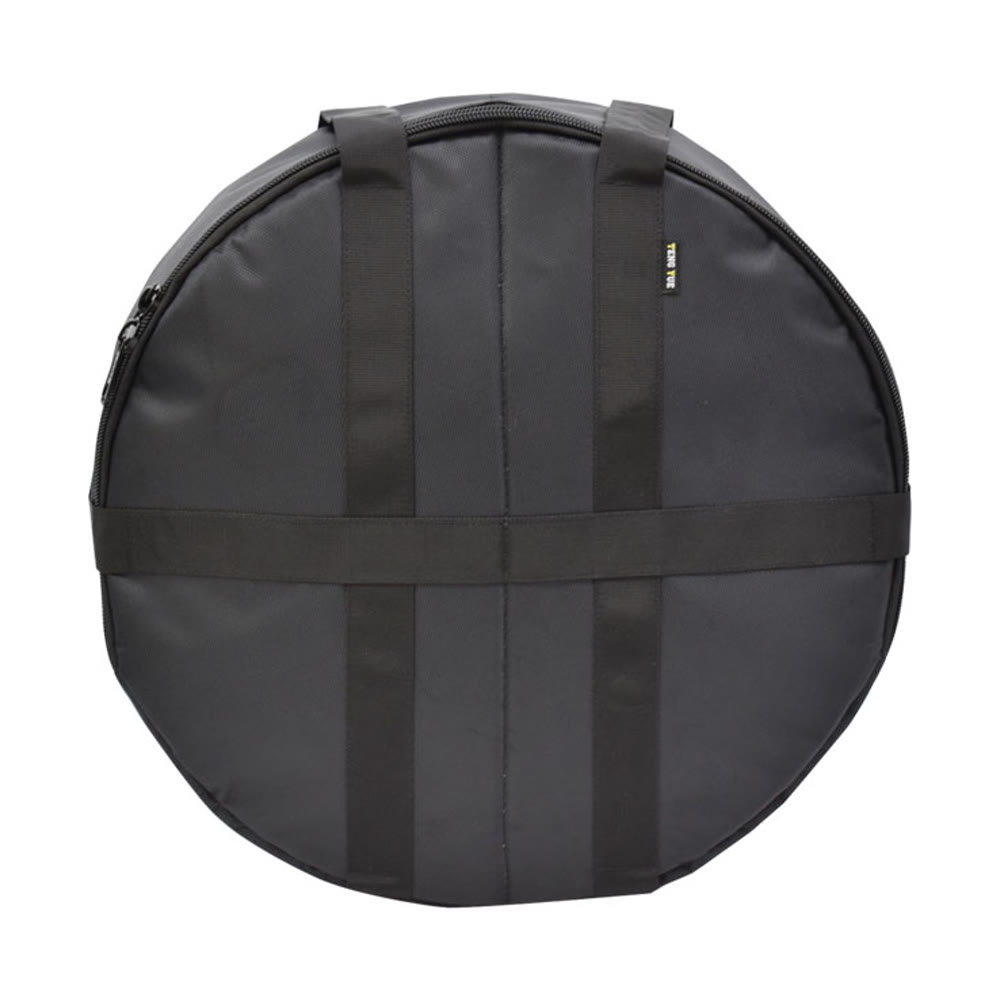
A weighted backpack turns the weight plates you already own into a training load: the plates sit flat against your back inside a round, plate-shaped pack, while padded shoulder straps and a waist belt spread the load between your shoulders and hips. That is the whole idea of rucking — walking and training under load — without buying a set of dedicated weight inserts. This guide explains how plate bags work, how to size one, and what to check before you order.
1. How a plate bag works
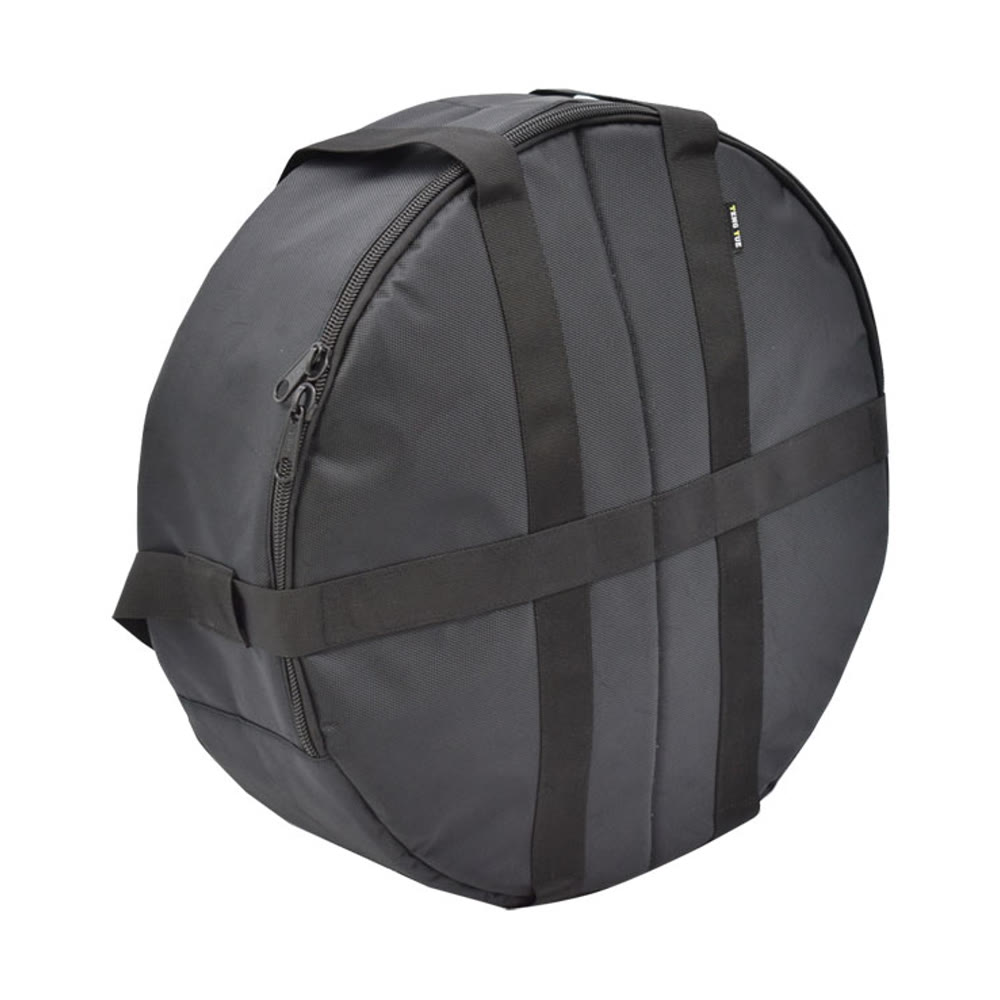
Standard weight plates are round, so the bag is round: our weighted training backpack is Ø46 × 16 cm, shaped to take standard 450 mm Olympic plates flat against the back panel. Flat matters. A plate that sits flat spreads its pressure across the whole back; a plate carried loose in an ordinary backpack tips over, digs its edge into one shoulder blade, and wears through the bag's floor. A two-way zipper around the rim opens the pack wide, so plates load and unload flat instead of being wrestled through a top opening.
2. Sizing: diameter first, then thickness
Measure your plates before anything else: the diameter across the face, and the total thickness of the stack you intend to carry. The Ø46 cm compartment fits the standard 450 mm Olympic format with working room, and the 16 cm depth takes a training stack of plates rather than a single plate. If your gym uses smaller studio plates or a non-standard format, tell us the diameter — custom diameters are made to order, because a plate bag that does not match the plate gives up its one advantage: the flat, quiet fit.
| Plate backpack | Ordinary backpack | Hand carry | |
|---|---|---|---|
| Load position | Flat against the back, shared by the waist belt | Loose at the bottom of the compartment | In the hands and forearms |
| Over distance | Built for it — the load is shared by hips and shoulders | The plate shifts and digs; straps and floor wear fast | Short efforts only |
| Best for | Rucking, loaded walks and hikes, gym circuits | Light gym kit — not plates | Carry-style sets between exercises |
3. The carry system: straps, waist belt and top handles
Under load, the waist belt is the component that decides whether a long ruck stays comfortable: it transfers a share of the weight from the shoulders to the hips, and it stops the pack swinging as you walk. Padded backpack straps handle the rest of the load. The same pack also has top carry straps, so between sets it works as a hand-carried plate bag for carry-style exercises and for moving plates around the gym floor. Cross webbing over the shell reinforces the bag where the plate edges press — check for it on any plate bag you buy, because the rim is where the load concentrates.
4. Training with it: start lighter than you think
Rucking is loaded walking: the training effect comes from distance under a moderate load, not from the heaviest stack you can lift onto your back. Start with one plate, build distance first, and add plates as the distance gets easy — the bag's depth lets the load grow with you. Keep the plates loaded flat and the zipper fully closed so the load cannot shift mid-stride, and use the waist belt on every walk, not just the long ones. This is general training practice rather than coaching; if you are new to loaded training, a session with a trainer is money well spent.
One more practical point: train on the surfaces you will actually cover. Loaded walking on pavement is harder on joints and footwear than the same distance on trails or a track, and a plate load sits higher and more rigidly than a hiking pack, so it changes your balance on slopes and stairs. Keep the load close, keep your stride natural, and shorten the distance rather than the form when you tire.
5. For gyms, clubs and brands
Weighted backpacks are a natural branded product for gyms, rucking clubs and fitness retailers: the logo sits on the round face and shows in every training photo. We make them to order — custom colors, custom diameters for non-standard plates, and logos by silk screen, heat transfer, embroidery or woven label — alongside the rest of our sports equipment bags range. MOQ for this model is 500 pcs, samples take 5–7 days, and production runs 20–30 days after sample approval.
The short checklist
- Plate diameter measured — 450 mm Olympic is the standard fit
- Stack thickness within the 16 cm depth
- Waist belt fitted and used; it carries the hips' share of the load
- Cross webbing over the shell where the plate edges press
- Start with one plate; add load as the distance gets easy
Questions buyers ask
Which plates fit this backpack?
Standard 450 mm Olympic plates. The compartment is Ø46 × 16 cm, which takes the 450 mm format with working room; custom diameters are made for non-standard plates.
How much weight can it carry?
The load depends on the plates you fit. The shell is reinforced with cross webbing and the straps are anchored for heavy training loads; we confirm a rating against your plate set on the quotation.
What is the difference between this and a rucking pack with weight inserts?
This bag uses the plates you already own instead of dedicated inserts. The plate-shaped compartment holds them flat against your back, which is what makes the carry comfortable over distance.
What is the minimum order for custom weighted backpacks?
500 pcs for this model, in your colors and with your logo; samples take 5–7 days.
Tell us your plate size and quantity through the contact page and we will quote the pack to match.