EPE Foam vs EVA vs Sponge: Bag Padding Materials Compared
The three paddings used inside equipment bags do three different jobs: EPE foam (pearl cotton) is the impact absorber and the best value per millimeter of protection, EVA is the firm shaper that holds a bag's form, and sponge is the comfort layer that softens contact without stopping real knocks. Most well-built bags use the first, borrow the second where shape matters, and keep the third away from anything fragile.
EPE foam: the padded-bag workhorse
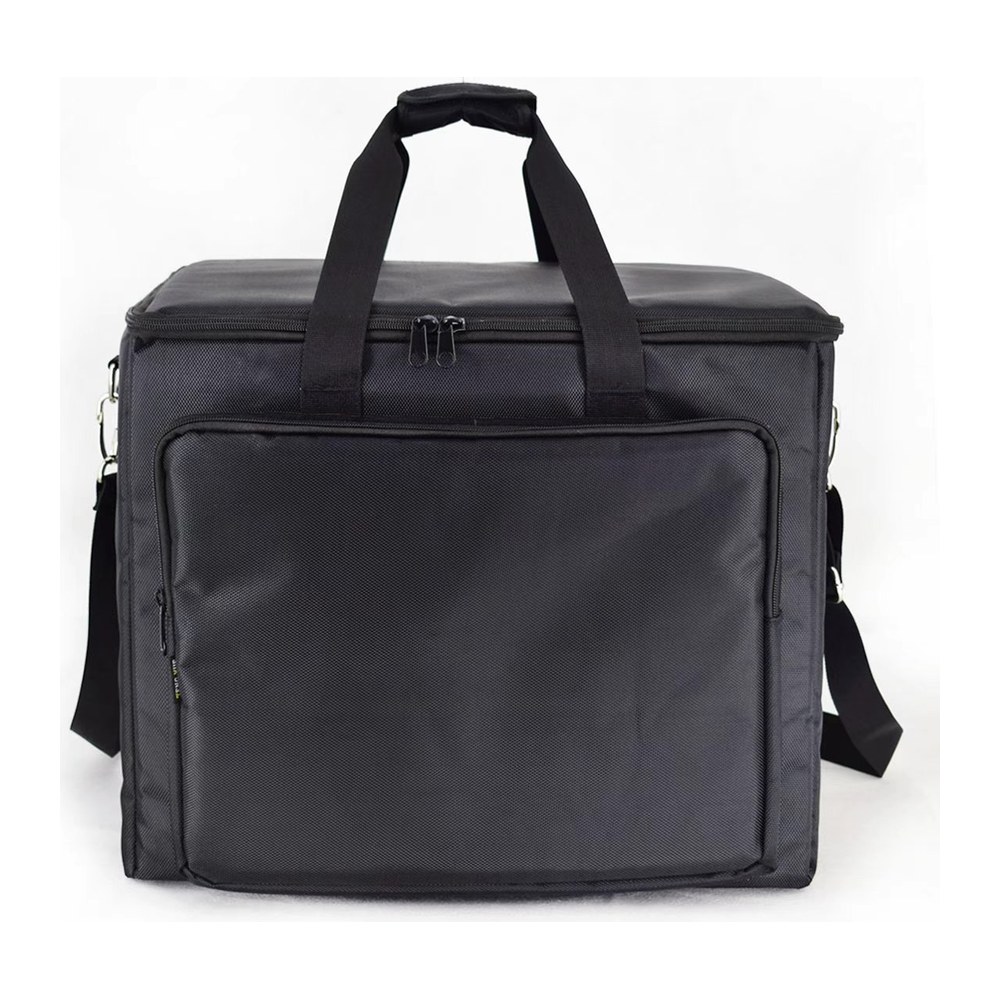
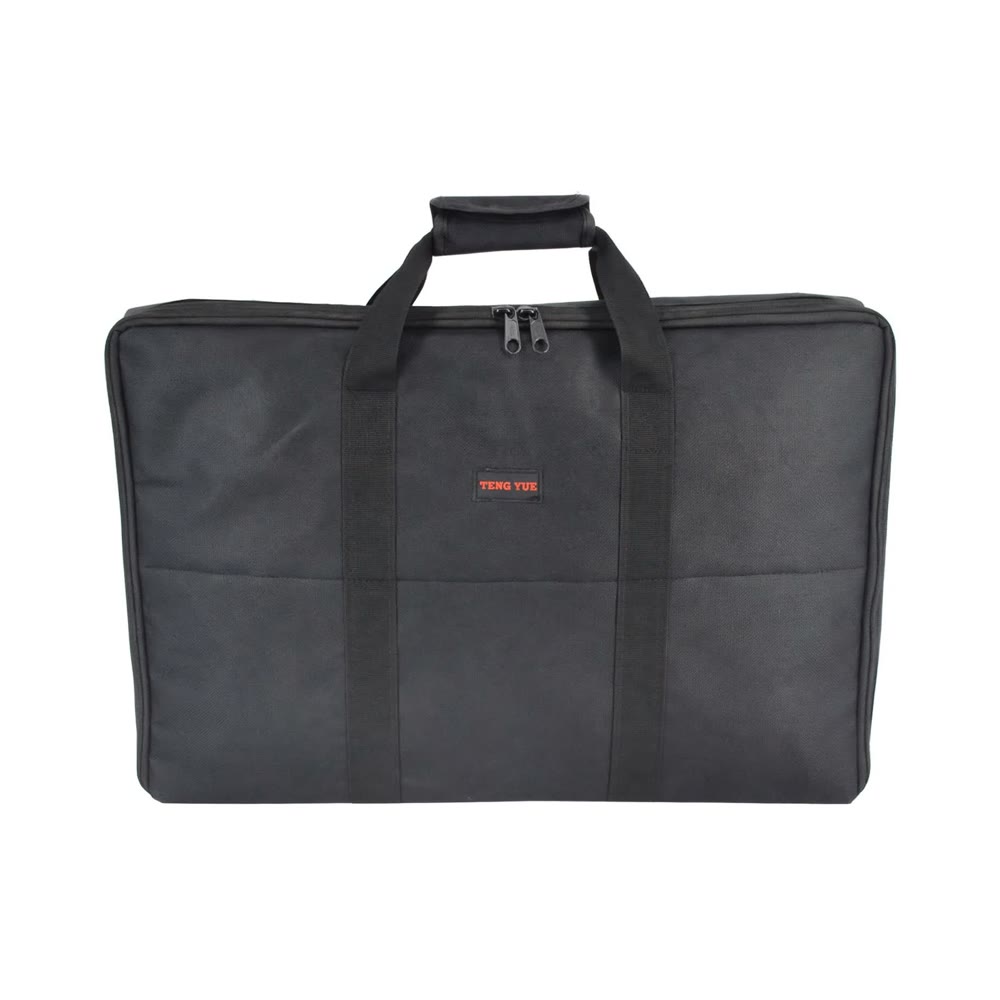
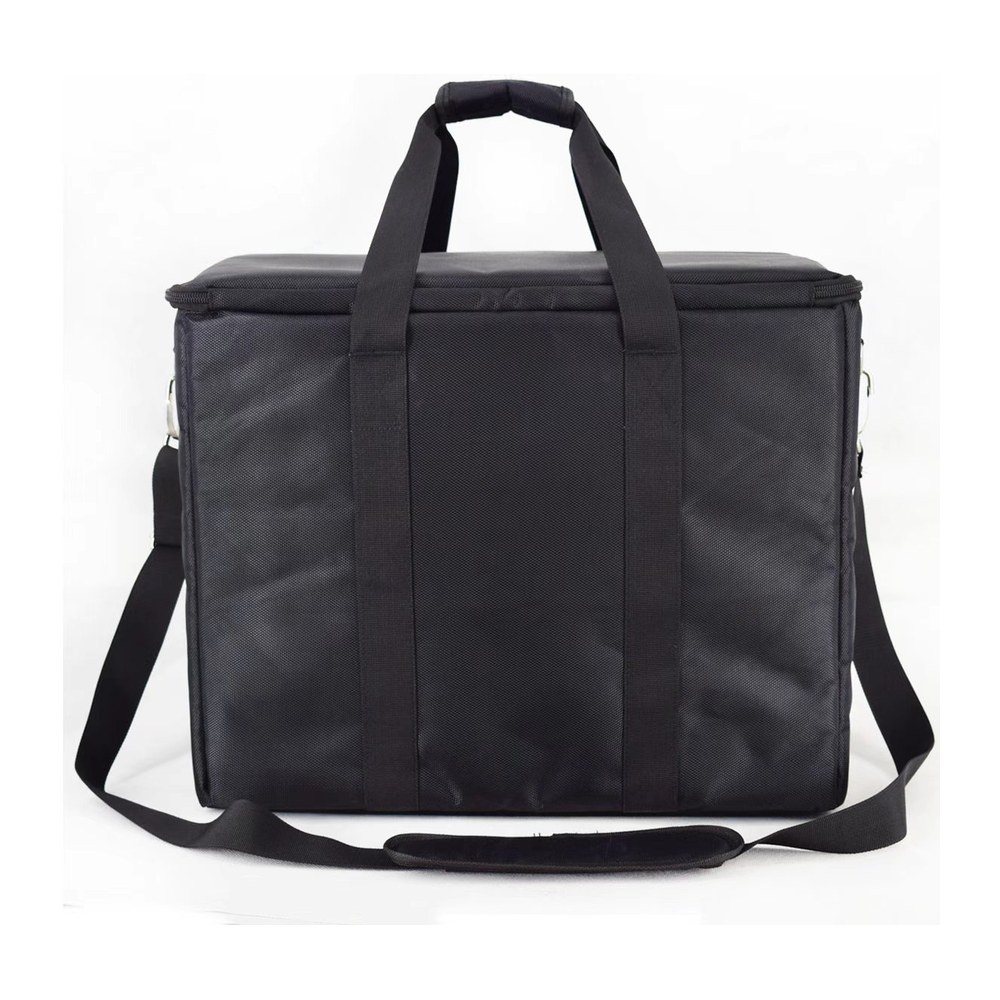
EPE — expanded polyethylene, widely called pearl cotton for its slightly beaded surface — is a closed-cell foam that compresses under impact and spreads the force across the panel instead of passing it to the equipment. It is light, it does not absorb water, and it keeps working after years of knocks because the cells are sealed rather than open. That combination is why EPE is the standard padding in sewn equipment bags, and why it is what we sew into ours at different thicknesses for different jobs: 3 mm in the padded carry handle sleeve, where the job is comfort against the hand; 5 mm through the solar panel bag, where a wide flat panel needs even, gentle protection; and 10–11 mm in our amplifier and all-in-one computer bags, where heavy electronics meet vehicle floors. Thickness for thickness, EPE is also the most economical of the three, which is why protection budgets go furthest with it — our padding thickness guide covers how much of it each equipment type needs.
EVA: firm, shaped and premium
EVA is a denser closed-cell foam — the material of molded cases, shoe soles and shaped inserts. Where EPE is soft and pillowy, EVA is firm: it can be die-cut or molded into a shape and will hold that shape, giving a bag structured walls, a defined base or a fitted cradle around a specific product. That firmness protects well, but it comes at a price: EVA weighs more, costs more, and is harder to sew into large flexible panels. In bag making it earns its place in targeted roles — a stiffened base, a shaped lid, a protective shell section — rather than as the all-over padding. If a product's retail presentation depends on the bag standing up with crisp edges on a shelf, EVA components are how that look is achieved.
Sponge: comfort padding, not protection
Sponge — open-cell polyurethane foam — is the softest and cheapest of the three, and the most misunderstood. Squeeze it and it collapses almost completely, which makes it lovely against skin and nearly useless against a drop: the impact travels straight through the compressed layer. Its open cells also drink water and hold it against whatever the bag carries. Sponge has legitimate uses inside bags — padding a shoulder strap or a handle grip, softening the face that rests against a user's back — anywhere the job is comfort rather than protection. The problem is only when sponge is sold as protective padding. A quick check when you evaluate any supplier's sample, including ours: press the padded wall hard between your fingers. Protective foam pushes back; sponge gives up immediately.
How the three combine in a real bag
Look inside our guitar amplifier bag and the division of labor is visible: EPE foam in the walls does the protecting, because an amplifier's enemies are knocks, stacking pressure and vehicle vibration. A solar panel bag leans on a thinner, even EPE layer because the panel is flat and the risk is flexing and surface pressure, not drops. Where a design needs a wall that stands up by itself or a base that resists sagging under a heavy unit, a firmer EVA-type insert joins the EPE. And in the handle sleeve, a thin EPE layer does comfort duty — proof that the same material at 3 mm is a comfort product while at 10 mm it is a protection product. Specifying a bag well means naming the padding material and the thickness together; either one alone is only half the specification.
| Material | Feel | Impact protection | Water behavior | Typical role in a bag |
|---|---|---|---|---|
| EPE foam (pearl cotton) | Soft, springy, light | Best per millimeter; spreads knocks | Closed-cell; does not absorb water | Main wall padding, 3–11 mm |
| EVA | Firm, dense, holds shape | Good; also resists crushing | Closed-cell; does not absorb water | Shaped inserts, stiff bases, structured walls |
| Sponge | Very soft, collapses fully | Minimal — comfort only | Open-cell; absorbs and holds water | Strap and handle comfort padding |
The short checklist
- Protection panels: EPE foam, with the thickness matched to the equipment's weight and fragility.
- Shape and structure: EVA in the base, lid or walls — not everywhere.
- Straps and grips: sponge or thin foam is fine, because the job is comfort.
- Press-test any sample: protective padding pushes back; sponge collapses.
- Specify material and thickness together on your order — “padded” alone means nothing.
Questions buyers ask
Which padding protects best against drops?
EPE foam gives the best impact protection per millimeter in a sewn bag, because its closed cells compress and spread the force of a knock. EVA protects well too but is usually chosen for shape; sponge is too soft to stop a real impact and is used for comfort instead.
Does EPE foam absorb water?
No — EPE is a closed-cell foam, so it does not soak up water like a sponge. A padded bag that gets rained on dries from the fabric surface instead of holding moisture against the equipment, which is one reason we pad with EPE.
Why not use EVA everywhere if it is firmer?
EVA costs more, weighs more and is stiffer to sew into large panels, so using it everywhere raises the price without adding protection. We reserve EVA-type firmness for shaped parts and use EPE for the broad padded faces where impact absorption matters.
How thick should the padding in my bag be?
Match the thickness to the equipment: around 3 mm for comfort padding, 5 mm for flat fragile goods like solar panels, and 10 mm or more for heavy electronics and amplifiers. Our guide to bag padding thickness walks through the choice by equipment type.