How to Clean and Store Padded Equipment Bags
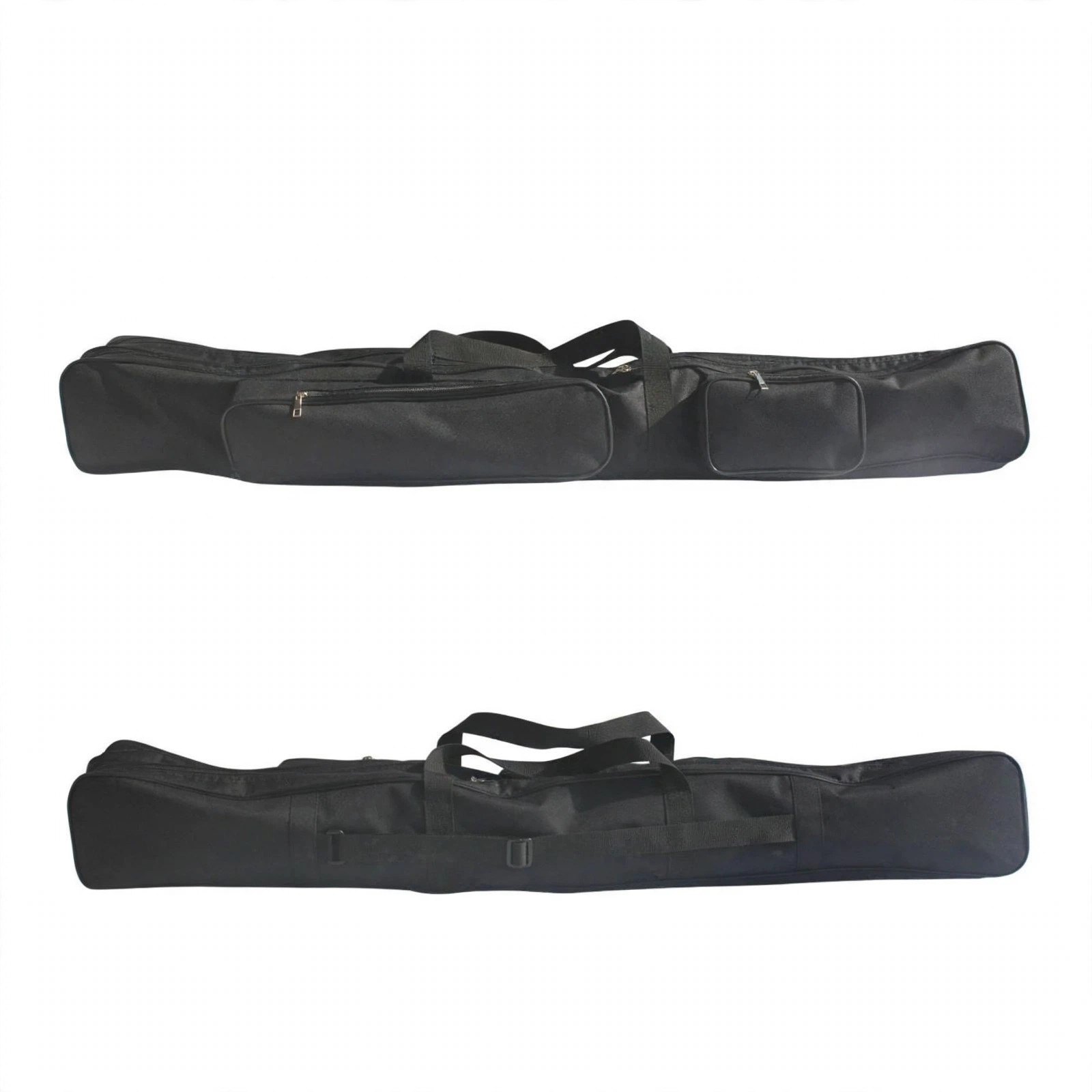
Padded equipment bags are cleaned by hand, dried completely, and stored uncompressed — those three habits decide whether the foam and fabric last three seasons or ten. Machine washing, rushed drying and crushed storage are what kill padded bags early, and all three are easy to avoid once you know what the materials dislike.
1. Routine cleaning: little and often
After a trip, empty the bag completely and shake out the grit. Sand and dust left inside act like sandpaper on the lining every time the bag is moved. Wipe the shell with a damp cloth and a small amount of mild soap, and spot-clean marks before they set. Wipe the interior as well, especially the faces the equipment touches. Five minutes after each trip replaces one miserable deep clean per year, and it keeps grit away from the zippers, where most long-term wear starts.
2. Deep cleaning — and the saltwater rule
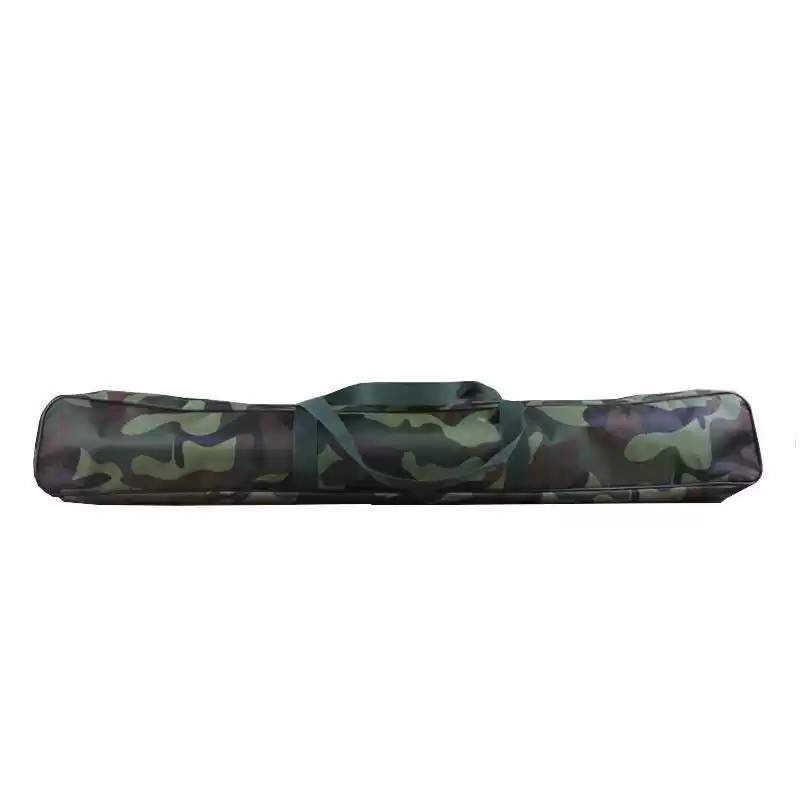
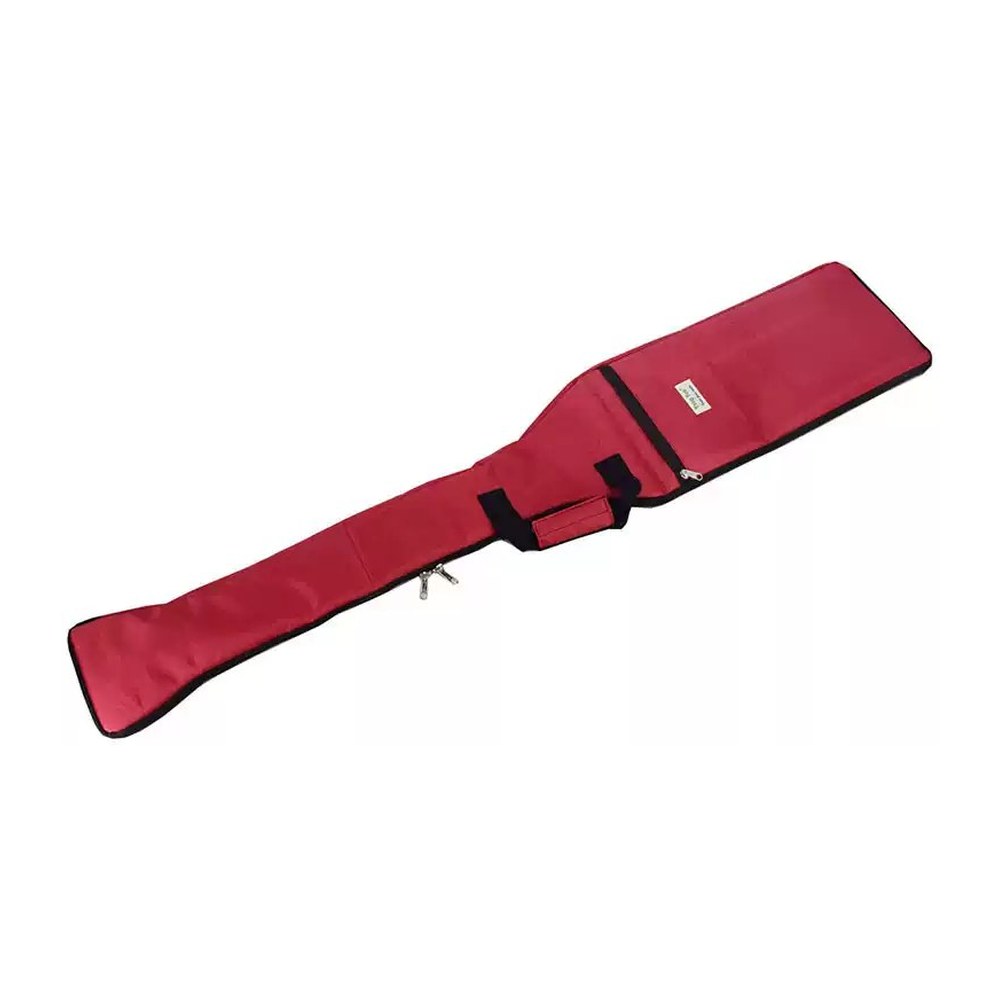
For a deep clean, use lukewarm water, mild detergent and a soft brush, then rinse thoroughly — soap residue left in the fabric attracts fresh dirt. Never machine wash a padded bag: the agitation tears foam layers away from the fabric and strips surface coatings, and the bag comes out permanently lumpy. Fishing bags have one extra rule. Our fishing rod bag is built for rods up to 230 cm, and any bag that works around saltwater should be rinsed after the trip: dried salt corrodes zipper sliders and abrades fabric from the inside. Rinse the zipper teeth as well as the shell. The same rinse benefits our dragon boat paddle bag after regattas, where grit and lake water collect in the blade end.
3. Drying: the step everyone rushes
Air dry the bag open, zippers open, in shade with moving air. Foam holds water deep inside its structure, so a bag that feels dry on the surface can still be damp in the padding a day later — give long bags a full day, and turn a rod bag so air reaches the far end. Never tumble dry, and never dry a padded bag against a radiator or with a heat gun: heat warps foam and cracks the coatings that make Oxford fabric water-resistant. A bag stored even slightly damp will smell of mildew within weeks, and the smell is far harder to remove than to prevent.
4. Storage: protect the padding
| Do | Do not |
|---|---|
| Hand-wash with mild soap and lukewarm water | Machine wash or dry clean a padded bag |
| Rinse salt and sand off after fishing trips | Store a bag that is still damp inside |
| Air dry open, in shade, until the foam is dry | Tumble dry, or dry against a heater |
| Store hung or loosely stuffed, uncompressed | Crush the bag under heavy gear for months |
Store the bag fully dry, hung up or loosely stuffed so the foam keeps its shape, in a dry, ventilated place. Foam stored under compression takes a permanent set — the padding literally forgets its thickness — so a season spent under a pile of other gear quietly removes the protection you paid for. Leave zippers partly open on long storage so air can move; close them for short periods and transport. Keep bags away from fuel and solvents, which attack fabric coatings.
5. Zippers and stitching: five-minute maintenance
Most zipper failures start as dirt. Brush grit out of the teeth, work the slider along its full travel, and a stiff zipper usually frees up without any lubricant at all. While the bag is empty, check the stitching at the load points — handle anchors, strap joins, the ends of the zipper — because these carry the full weight of the equipment. A loose run of stitching caught now is a quick repair; the same seam found after it lets go in a car park is a damaged amplifier or a cracked rod tip.
The short checklist
- Empty, shake out and wipe down after use
- Rinse salt, sand and mud off fishing and paddle bags
- Hand-wash only — mild soap, lukewarm water
- Air dry fully; the foam dries last
- Store dry, uncompressed, with airflow
Questions buyers ask
Can I put a padded equipment bag in the washing machine?
No. Machine washing tears the foam layers away from the fabric and strips the water-resistant coating, and the padding comes out permanently uneven. Hand-washing with mild soap and lukewarm water cleans a padded bag without damaging its structure.
How do I get a mildew smell out of a stored bag?
Air the bag open in shade first — most smells fade once the foam is fully dry. If the smell persists, wipe the interior with a mild soap solution, rinse, and dry it completely again. The lasting fix is prevention: never store a padded bag while it is still damp inside.
Should I store the bag zipped up or open?
Partly open is best for long storage, because airflow keeps the foam dry and fresh. For short periods between trips it makes little difference, and a closed zipper keeps dust out — the rule that matters is storing the bag dry, not the zipper position.
How often should a fishing rod bag be rinsed?
After every saltwater trip. Dried salt corrodes zipper sliders and works into the fabric, shortening the life of both. Freshwater bags need a rinse whenever they come home muddy or sandy — the goal is to get grit out of the zipper and lining.