What Drives the Cost of a Custom Bag? The Factors Behind a Quote
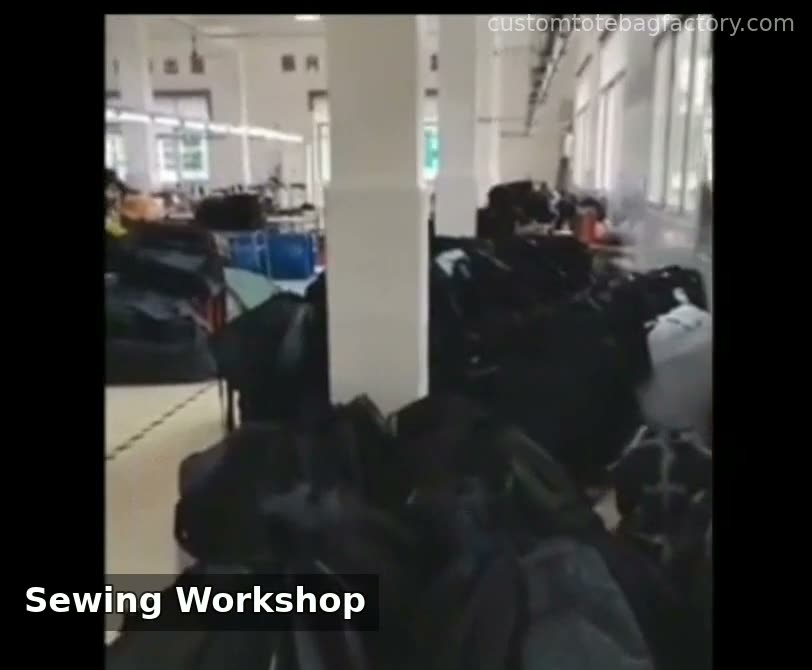
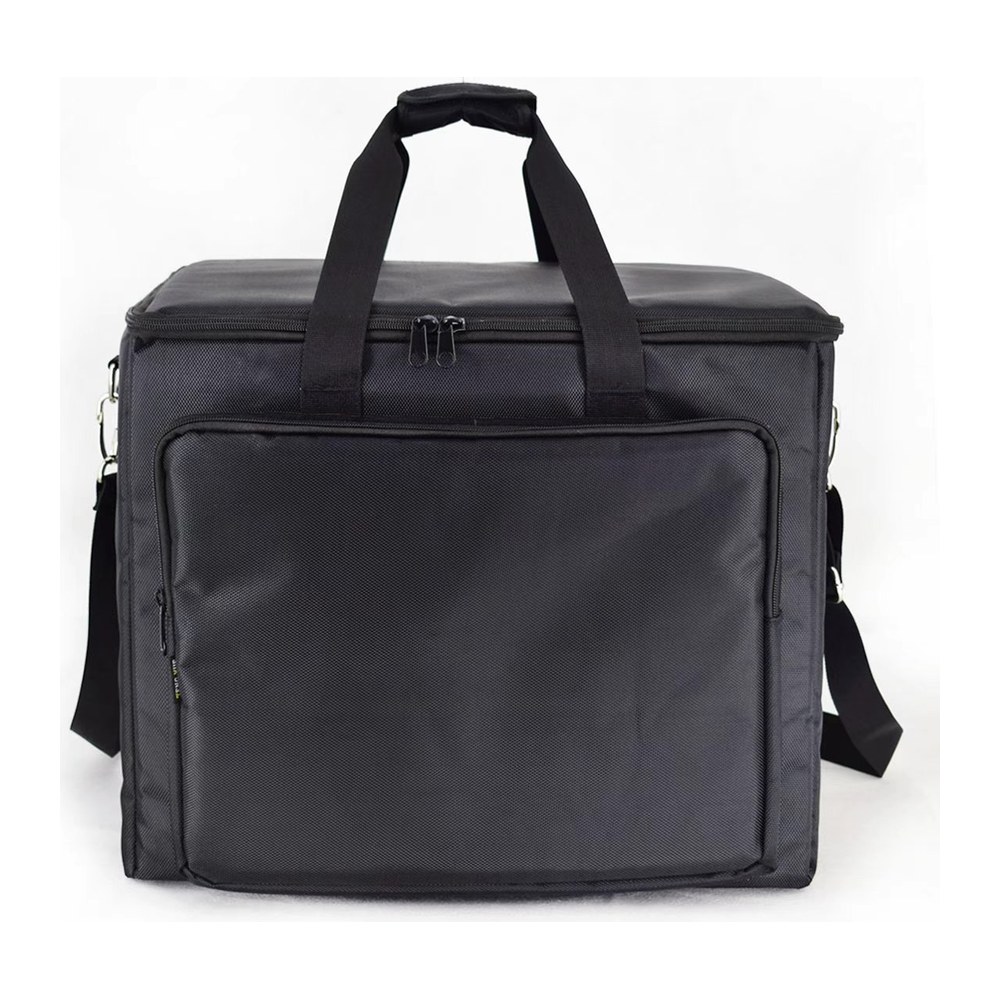
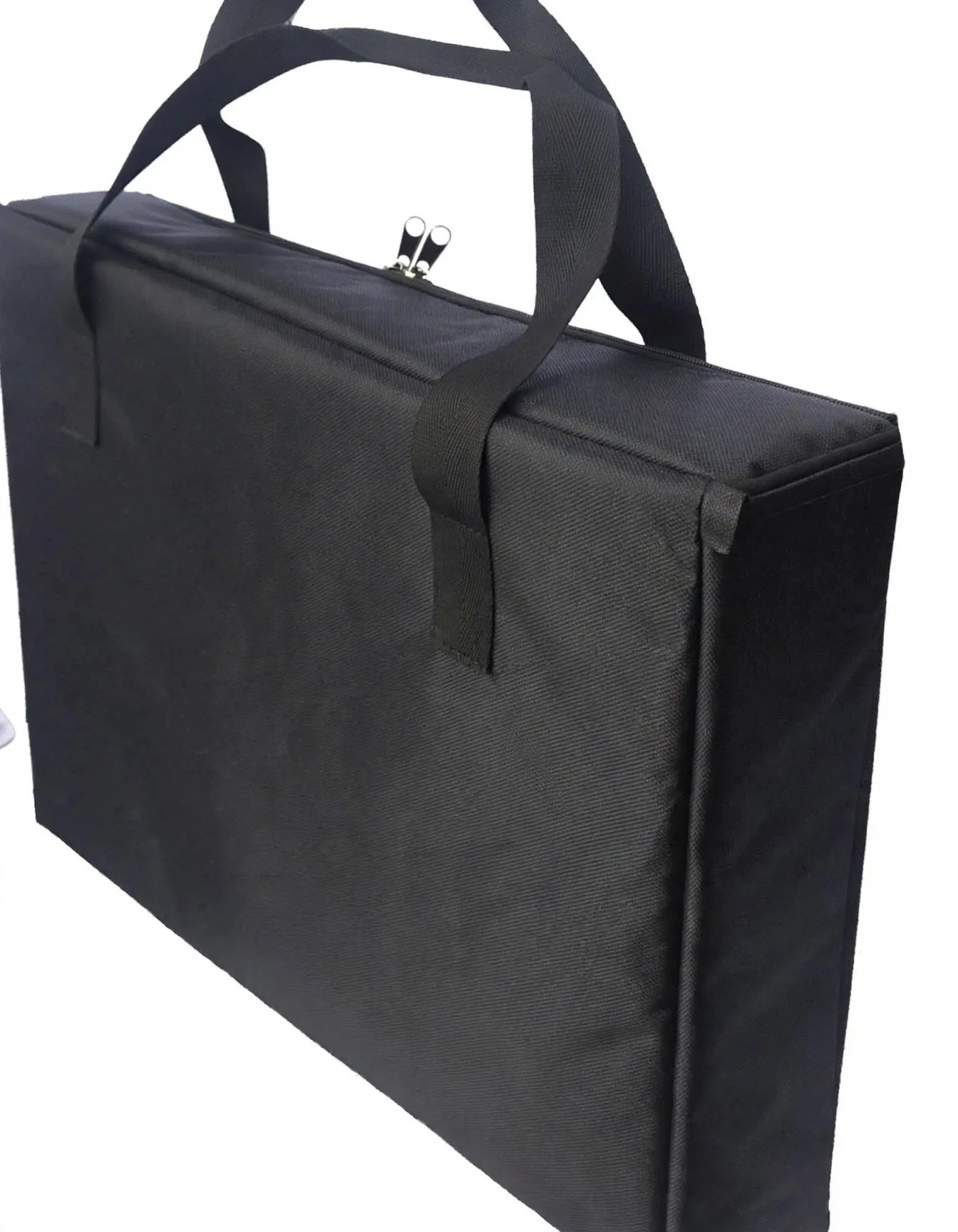
Seven factors drive the cost of a custom bag: the fabric grade, the size and pattern complexity, the padding, the hardware, the logo method, the order quantity and the packing. Nothing else in a quote is mysterious — when two similar-looking bags quote very differently, the difference is always hiding in one of those seven. This guide explains how a factory prices each factor, so you can decide where your money buys real value and where it buys nothing. It deliberately gives no figures: the factors are universal, while the numbers belong to your specification, as we explain in our guide to MOQ, samples and lead time.
1. Fabric grade and size: the material base
Fabric is bought by area, so a bag's cost starts with how much material its pattern consumes and which grade that material is. Heavier Oxford grades cost more per metre than lighter ones and are worth it where the bag is rubbed, stacked and dragged; they are wasted on a bag that hangs in a showroom. Size compounds quickly: a longer bag is not just more fabric, it is more foam, more webbing, longer zips and more minutes at the sewing machine. Pattern complexity sits in the same factor — every extra panel, curve and pocket is another piece to cut, another seam to sew and another chance for a mistake that has to be caught in inspection.
2. Padding and hardware: the protection budget
Padding is priced by thickness and coverage. Foam through the whole bag costs more than foam on the faces that take the knocks, which is why we often quote both options: full padding, or padding placed where your equipment actually gets hit. Hardware is the factor buyers most often under-specify and most regret. Zippers, buckles, hooks and handle anchors are bought-in components with wide quality ranges; the difference between a zip that survives years of site dust and one that jams in a season is a real cost line, and it is the line experienced buyers refuse to cut. Webbing width and stitching density belong here too — the handles carry the whole loaded weight, and reinforcing them is cheaper than replacing failed bags.
| Factor | What raises it | How buyers control it |
|---|---|---|
| Fabric and size | Heavier grades, larger patterns, more panels | Match the grade to the duty; simplify panels that add no function |
| Padding | Thicker foam, full-body coverage | Place foam on the faces that take the knocks |
| Hardware | Branded zips, metal fittings, reinforced handles | Upgrade the zip and handles first; they fail first |
| Logo method | Embroidery and multi-colour work | Choose the method that suits the artwork and the fabric |
| Quantity and packing | Small runs, retail-ready individual packing | Consolidate sizes in one order; pack bulk where retail display allows |
3. Logo method and quantity
Each logo method prices differently, and our comparison of logo printing methods for bags walks through them: silk screen is efficient for bold single-colour artwork, heat transfer handles detailed multi-colour designs, embroidery carries a premium look and a premium cost, and a woven label is a small addition that reads as a brand detail. Quantity then spreads the fixed costs — pattern making, sampling, machine set-up and inspection — across the run. That is the honest reason small batches cost more per bag: the same set-up work is divided by fewer pieces. Our factory welcomes small custom batches, and we quote them gladly, but we explain this maths to every buyer so the per-bag figure never comes as a surprise.
4. Packing, extras and getting a quote you can compare
The last factor is the one most often forgotten until the end: packing. Bulk packing in cartons is the economical default; individual polybags, retail boxes, hang tags and instruction cards each add material and handling. Extras belong in the same conversation — a shoulder strap, an accessory pouch, a printed lining. To get quotes you can truly compare between factories, send every supplier the same specification: dimensions, fabric grade, padding thickness and placement, hardware level, logo method and size, quantity per size, and packing. A quote against a full specification, like the ones described on our customization page, can be checked line by line; a quote against a photo cannot.
The short checklist
- Fix the fabric grade and the bag's dimensions first — they set the base cost
- Decide padding by thickness and placement, not by habit
- Upgrade zips and handle anchors before decorative extras
- Choose the logo method from your artwork, not from a price list
- Send the same full specification to every factory you compare
Questions buyers ask
Why do two similar-looking bags quote so differently?
The difference sits in the seven factors: fabric grade, size and pattern complexity, padding, hardware quality, logo method, quantity and packing. Two bags that look alike in a photo can differ in every one of them.
What is the first factor I should fix to control cost?
Fix the fabric grade and the dimensions first, because they set the material base of the quote. After that, place padding only where the equipment takes knocks instead of padding the whole bag by default.
Why does a small custom batch cost more per bag?
Pattern making, sampling, machine set-up and inspection cost the same whether the run is small or large, so a small batch divides that fixed work across fewer bags. The materials and sewing per bag are broadly the same.
How do I compare quotes from different bag factories fairly?
Send every factory the same written specification — dimensions, fabric grade, padding, hardware, logo method, quantity and packing — and compare the quotes line by line. A quote given against a photo alone cannot be compared fairly.
Send your specification — or just your equipment's dimensions and a photo — through the contact page, and we will quote it factor by factor so you can see where every part of the price comes from.