Custom Tool Bags for Technicians: Layouts, Pockets and Durability
A good technician's tool bag is laid out like a workstation: the tools used every hour sit on the outside, the tools used every week sit inside, and nothing sharp is free to wander. When a bag fails a technician, it is rarely the fabric that gives up first — it is a layout that buries the multimeter under the spanners, or a handle that tears out in the second winter. This guide works through the layout, pocket and durability decisions we go through with service companies and tool brands that order custom bags from our factory.
1. Start with the tool list, not the bag
Write down everything the bag must carry, grouped by how often it is used. Daily tools — drivers, pliers, cutters, tester — belong in outside pockets where a hand finds them without opening the bag. Job tools — the drill, the spare parts box, the cable reel — belong in the main compartment. Paperwork, a tablet or a laptop sleeve needs its own flat pocket, away from anything oily or sharp. This grouping is the pattern: our design team drafts the pocket layout from your tool list or from a sample of the kit itself, so bring the list before you think about sizes.
Weight decides the rest. A bag carried up stairs and across sites all day should hang from a padded shoulder strap as well as handles, and the load should sit close to the body. If the kit is heavy enough that it mostly travels from van to bench, a wider base and two handles matter more than the strap.
2. Pocket design that survives real work
Pockets fail in predictable ways: elastic loops stretch out, open pockets spill in a vehicle, and zips jam with site dust. For technician bags we recommend a mix — closed zip pockets for small parts and meters, open sleeves sized to specific hand tools for speed, and one large flat pocket for documents. Every pocket should be sized to a named tool; a pocket designed for "miscellaneous" becomes a pocket full of everything and nothing. Bar-tack stitching at pocket corners and strap anchors is not decoration — those are the points that tear, and they should be reinforced on any bag quoted for daily trade use.
| Pocket type | Best for | Watch out for |
|---|---|---|
| Outside zip pockets | Meters, small parts, phone and keys | Cheap zips jam with dust — spec two-way, large-tooth zips |
| Open tool sleeves | Drivers, pliers and cutters used all day | Tools spill if the bag tips — keep sleeves vertical and snug |
| Main compartment | Power tools, parts boxes, cable | Needs a stiff base so the bag stands open on site |
| Flat document pocket | Job sheets, tablet, manuals | Keep it on the outside face, away from sharp tools |
3. Durability: fabric, base and handles
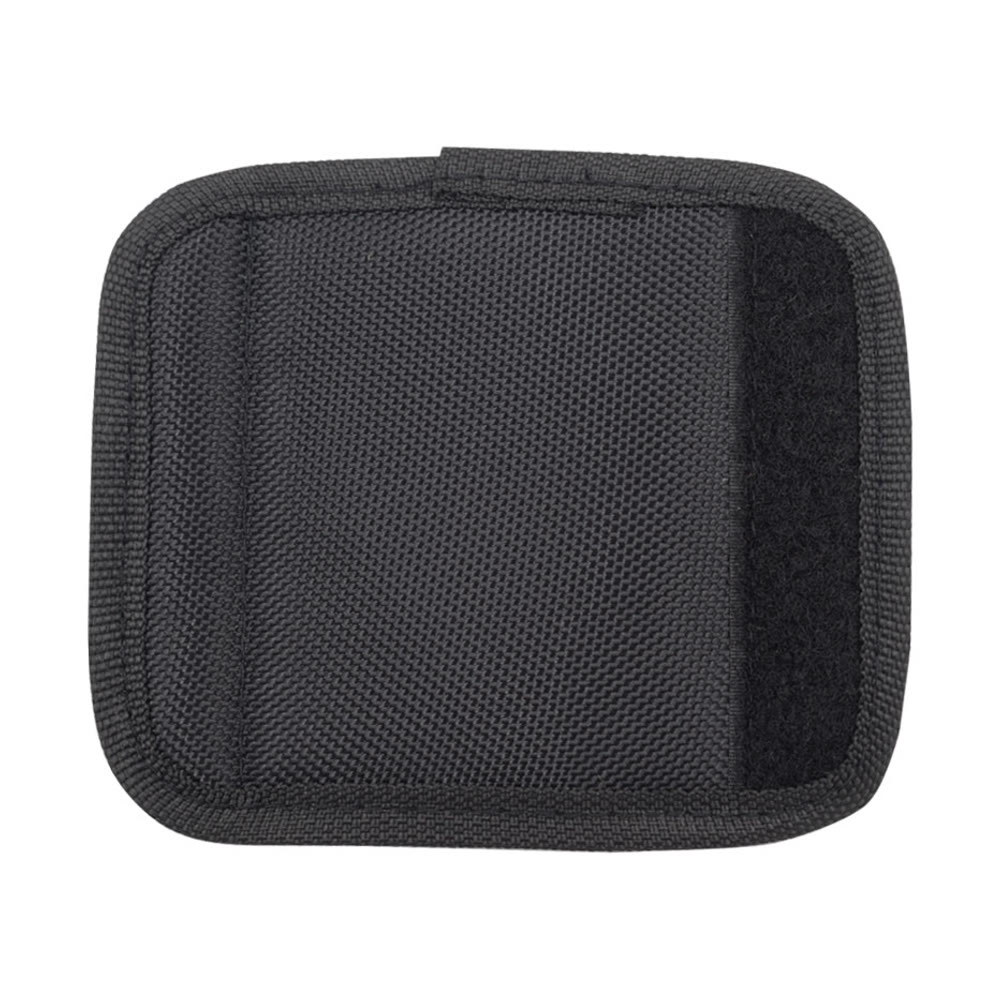
Tool bags live a harder life than almost any other bag: dragged across van floors, set down on concrete, loaded with steel. Heavier Oxford fabric grades are the usual choice for the outer, with a wipe-clean backing, because the bag will be rubbed, stacked and rained on weekly. The base takes the worst of it, so look for a reinforced or double-layer base panel. Handles should be webbing that runs into the bag's seams, not tabs stitched to one layer of fabric — the same anchoring logic we apply to the padded carry handle sleeve, which many technicians add to older bags whose handles have gone thin. Foam padding in the walls does double duty: it holds the bag's shape so it stands open, and it protects the meters and testers inside from the knocks the bag itself takes.
4. Branding and fleet orders
For service companies, the bag is uniform: it arrives at the customer's door with the technician. A printed or embroidered logo, company colours and even a name panel per technician are all straightforward at the pattern stage and far harder to add afterwards. Fleet orders also benefit from one standard layout across the team, so any technician can work out of any bag. Our factory welcomes small custom batches as well as fleet runs, so a company can trial one layout with a few technicians, adjust the pockets, and then roll it out.
The short checklist
- Tool list grouped by how often each tool is used
- Outside pockets for daily tools; a flat pocket for documents or a tablet
- Heavy Oxford fabric, a reinforced base, large-tooth two-way zips
- Handles and strap anchors bar-tacked into the seams
- Logo, colours and name panels decided before sampling
Questions buyers ask
What is the best layout for a technician’s tool bag?
The best layout puts daily tools in outside pockets, job tools in the main compartment and documents in a flat pocket away from sharp edges. Group the layout by how often each tool is used, not by tool type.
Can the pockets be made to fit my exact tool list?
Yes. Send the tool list, a photo of the kit or the kit’s dimensions, and the design team drafts each pocket to a named tool, then makes a sample for you to load and test before production.
What fabric lasts longest on a tool bag?
Heavier Oxford fabric grades are the standard choice for daily trade use, paired with a reinforced base panel and large-tooth zips. The base and the handle anchors wear first, so those are reinforced as standard on our technician bags.
Can a small service company order custom tool bags?
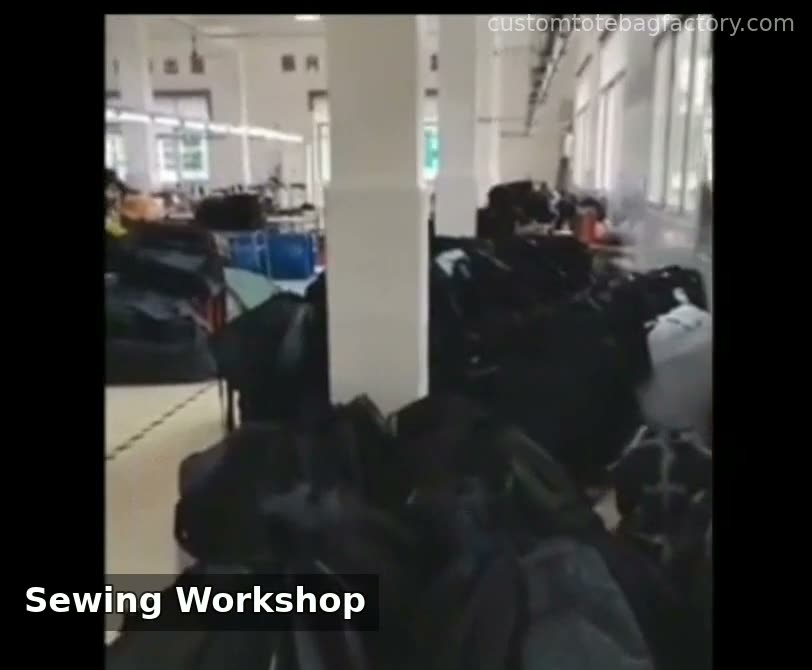
Yes. Our factory runs a dedicated small-batch workshop alongside the main production site, so small custom runs for individual teams are routine — you can trial one layout before ordering for the whole fleet.
Send us your tool list and how your technicians work through the contact page, and we will draft a layout and sample for your team to test on real jobs.